

Residential Roofing
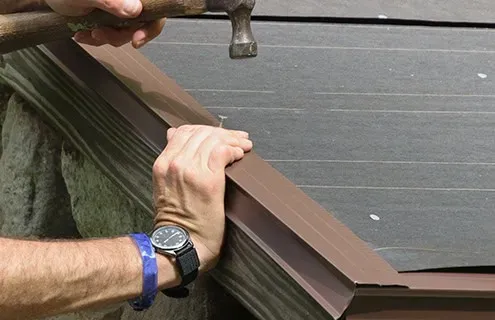
Prevent water from seeping under your shingles, rotting the wood beneath, and ruining your fascia boards. Understanding what a drip edge is, why it matters, and how to maintain it can protect your home from costly water damage while significantly extending your roof’s lifespan.

New Image Roofing Atlanta gathered information about multiple drip edge types, materials, installation, and maintenance strategies to help homeowners make informed decisions.
A drip edge is a narrow metal flashing element installed along the edges of a roof (its primary purpose is to direct rainwater away from the fascia and underlying roof components into the gutters). Without it, water can run under the shingles and into the roof deck, leading to rot, mold, and structural deterioration.
Drip edges are typically installed at the eaves and rake edges of a roof, forming a barrier that prevents capillary action (when water travels upward under shingles) and blocks wind-driven rain from entering beneath the roofing materials. They also help guide water directly into gutters, improving drainage efficiency during heavy storms.
Why a Drip Edge Is Important for Your Residential Roofing System
Types of Drip Edges
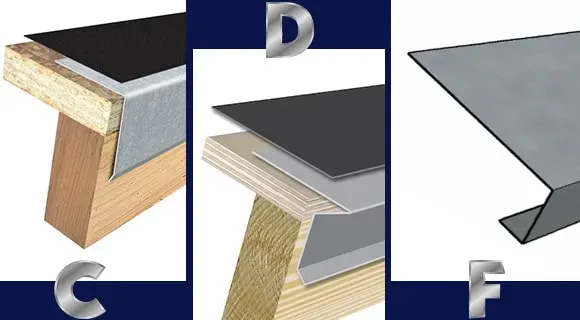
Drip Edge Materials
A drip edge is only effective when it remains intact and sealed. Over time, storms, ice, and wind can loosen or corrode it, compromising your roof’s defense against water.
With a New Image Roofing Atlanta maintenance contract, you receive:
This contract not only preserves your drip edge but also safeguards the entire roofing system, extending its service life and preventing unexpected repair bills.

Choosing an experienced roofing contractor ensures your drip edge is installed and maintained to the highest standard. New Image Roofing Atlanta provides:
BBB Accredited Business – New Image Roofing Atlanta is an accredited A+ Rated roofing contractor.
When you hire New Image Roofing Atlanta, you get a roofing partner committed to protecting your home with precision, reliability, and care.
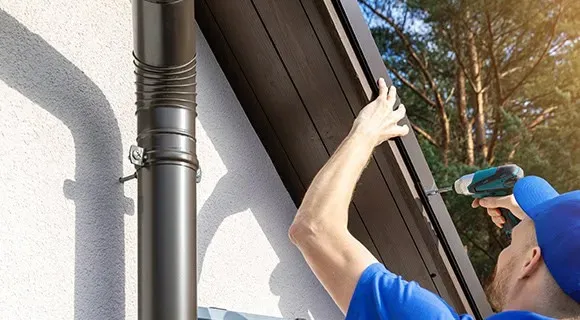
Drip edges might appear to be a minor detail, but they are one of the most important components in a weatherproof roofing system. Here are some factors homeowners should keep in mind:
1. Proper Installation Matters
Even the best materials will fail if installed incorrectly. The drip edge must be placed beneath the underlayment at the rake edges and above it at the eaves to ensure proper water flow.
2. Regular Inspections Prevent Major Repairs
Loose fasteners, corrosion, or gaps in sealant can lead to water infiltration. An annual inspection can detect these small issues before escalating.
3. Material Choice Impacts Longevity
If your home is in a coastal or high-moisture area, choose corrosion-resistant materials (aluminum or copper). For high-wind zones, opt for heavier-gauge steel.
4. Integration With Gutters Is Critical
A drip edge that is not correctly aligned with gutters can cause water to bypass them, leading to soil erosion and foundation damage.
5. Building Codes Require Compliance
Many jurisdictions have strict requirements for drip edges. Non-compliance can result in delays during property sales or winning insurance claims. Watch this video for a brief description of insurance deductibles.
A well-installed and maintained drip edge provides decades of protection, prevents expensive water damage, and ensures your roof meets both performance and code requirements.
In this article, you discovered drip edges, their various types, the materials available, and how proper installation and maintenance protect your residential roof from costly water damage.
With a high-quality drip edge and a professional maintenance plan, you can enjoy a longer-lasting roof, improved gutter performance, and peace of mind knowing your home’s structure is protected from the elements.
Neglecting a drip edge or failing to repair damages can lead to rot, mold, structural weakening, and expensive repairs that could have been avoided with routine maintenance.