

Residential Roofing
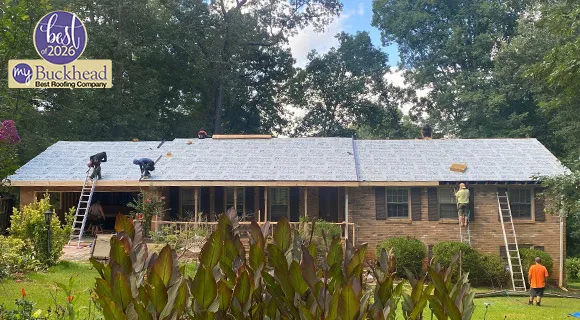
Is your attention focused on shingles, color, and curb appeal? Numerous roof failures begin beneath the surface. Leaks, premature aging, and hidden moisture damage often result from missing or poorly installed underlayment. Understanding how this critical roofing layer functions gives property owners clarity, confidence, and control when planning repairs or replacements. Understanding the role of underlayment helps prevent costly structural issues and ensures the roof’s long-term integrity.

New Image Roofing Atlanta gathered information about residential roofing underlayment to help homeowners understand how this layer supports durability, moisture resistance, and system reliability. This guide explains installation methods, protective benefits, and long-term value while outlining why professional installation remains essential for Atlanta homes facing heat, storms, and seasonal rainfall.
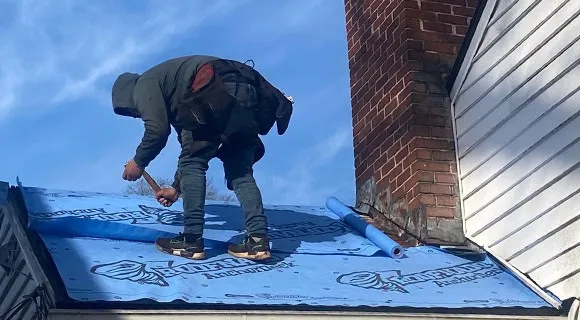
Roofing underlayment serves as a protective barrier installed directly onto the roof decking before shingles or metal panels are applied. This layer provides extra defense against water intrusion caused by wind-driven rain, ice dams, or shingle damage. While shingles act as a primary shield, underlayment provides secondary protection, preventing moisture from reaching decking materials.
Underlayment installation begins once the decking inspection confirms structural integrity. Contractors roll or fasten sheets across roof surfaces, starting at the eaves and moving upward. Each row overlaps previous sections to guide water flow downward and away from vulnerable seams. Fasteners secure placement while remaining flexible for thermal movement.
There are several underlayment materials, including asphalt-saturated felt and synthetic options. Felt underlayment is cost-effective and commonly used, while synthetic underlayment offers superior tear resistance, lighter weight, and improved moisture control. Professional roofers evaluate roof slope, climate exposure, and material compatibility before selecting an appropriate product.
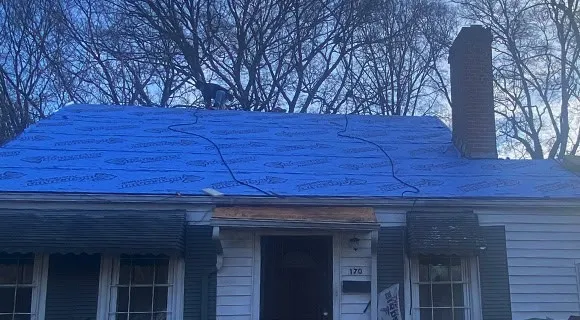
Underlayment prevents moisture penetration during heavy storms or when shingles become compromised. Wind uplift can expose nail penetrations or shingle edges, allowing rain to bypass surface materials. Underlayment blocks this moisture and channels it toward gutters.
Heat resistance also plays a vital role. Atlanta summers expose roofs to intense temperatures that can wear down roofing materials. Synthetic underlayment resists heat damage while maintaining flexibility and reducing brittleness beneath shingles.
Another advantage involves temporary protection during roof installation. Weather delays occur frequently. Underlayment shields the decking during construction, preventing water exposure before final materials arrive.
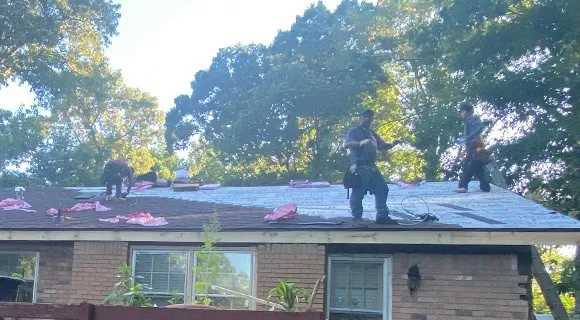
Building codes require underlayment due to proven performance benefits. Skipping this layer increases the risk of leaks and voids the manufacturer’s warranties. Insurance claims also face scrutiny when improper installation leads to damage.
Underlayment also supports energy efficiency by improving thermal consistency. Reduced air infiltration contributes to interior comfort and HVAC efficiency. This hidden layer plays a direct role in the roof’s lifespan and interior protection.
Preventive maintenance preserves roof performance year after year. The company’s Roof Maintenance Contract stipulates scheduled inspections, minor repairs, and preventive maintenance. Technicians will evaluate the roof underlayment during these inspections, especially after severe weather events.
Routine maintenance helps identify flashing issues, fastener exposure, and water staining that may indicate underlayment compromise. Addressing concerns early reduces repair expenses and extends roof service life. This proactive approach protects investments while maintaining warranty compliance.

New Image Roofing Atlanta brings proven expertise, local experience, and award-winning service. Recognized as a Best of Buckhead 2026 Winner for Roofing Services, the company delivers consistent quality through skilled installation and detailed inspections. Consider the following:

Licensed professionals understand Atlanta’s climate challenges and apply best practices that meet code requirements. From underlayment selection to final shingle placement, each step receives careful attention. Homeowners benefit from transparent communication, detailed assessments, and reliable workmanship.
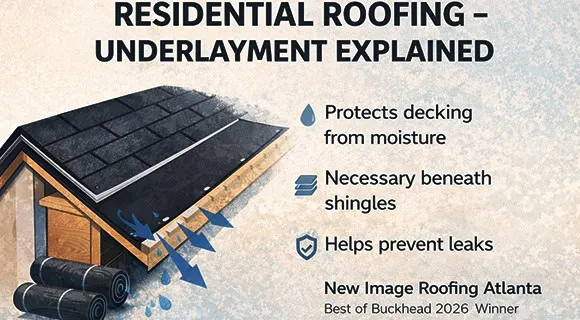
Underlayment remains one of the most significant yet overlooked roofing components. This layer acts as a moisture barrier, thermal buffer, and structural safeguard beneath visible materials. Without proper underlayment, roofs wear more quickly, develop hidden leaks, and cause severe interior damage.
Homeowners planning roof replacement or repair should prioritize underlayment during consultations. Asking questions about material type, installation method, and warranty coverage leads to informed decisions and stronger roof performance.
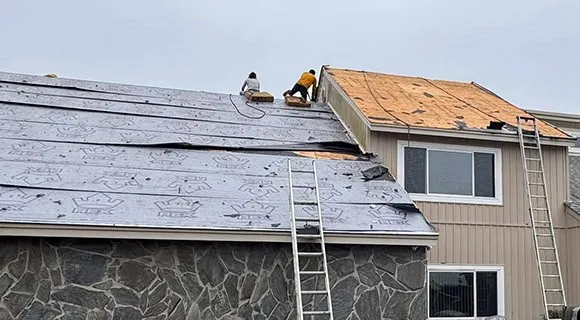
This article explored how residential roofing underlayment is a foundational layer that protects homes from moisture, heat, and weather exposure. Readers learned how installation works, why material choice matters, and how professional care supports long-term durability.
Applying this knowledge will result in stronger roofs, reduced repair frequency, and improved interior protection. Proper underlayment installation paired with professional maintenance delivers peace of mind and lasting value.
Ignoring underlayment quality invites hidden leaks, structural decay, and costly remediation. Skipping professional guidance increases risks and shortens the roof’s lifespan. Informed decisions safeguard homes while preserving long-term investment value.