

Commercial Roofing
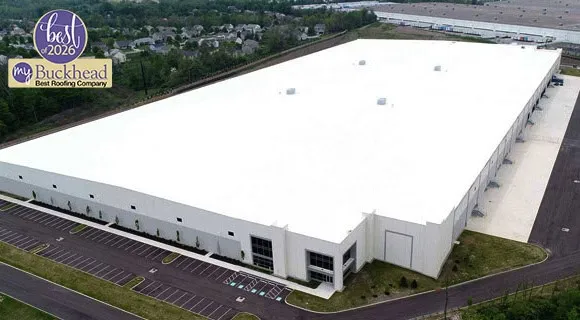
A flat roof that ponds water, leaks after every storm, or shows premature membrane wear creates constant stress for property owners. These problems often appear without warning and can lead to interior damage, lost productivity, and costly emergency repairs. Understanding why slope matters on flat roofing systems will offer building owners clarity, control, and a practical path toward long-term roof performance.

New Image Roofing Atlanta gathered information about flat roof design, slope engineering, insulation systems, and maintenance practices to explain why proper pitch remains one of the most critical factors in commercial roofing success. This article outlines how flat roofs function, how slope is integrated into modern systems, and how proactive planning protects both structure and budget.
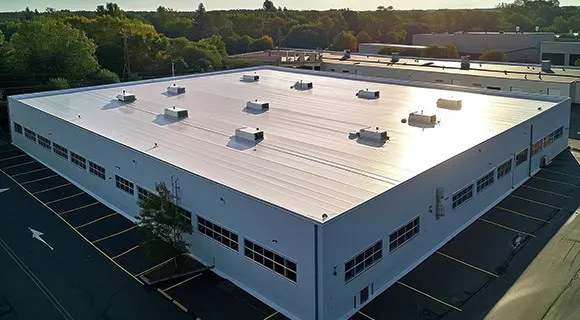
Despite the name, flat roofs always include a calculated pitch. Building codes and manufacturer standards require a slope to move water toward drains, scuppers, or gutters. A roof without slope traps moisture, accelerates membrane deterioration, and increases structural load during heavy rainfall.
Most commercial flat roofs use a minimum slope of one-quarter inch per foot. This slight pitch may seem insignificant to an untrained eye, yet it makes a significant difference in water movement. Even minor inconsistencies in slope can create low areas where water collects. Over time, standing water increases ultraviolet exposure, stresses seams, and weakens adhesives.
Flat roofing systems depend on gravity to function correctly. Without proper slope, even premium materials struggle to perform as intended. This explains why experienced roofing contractors prioritize slope evaluation during inspections and design phases.
Slope can be achieved through several methods, depending on building design and roof condition. Structural slope uses angled framing during construction. While effective, this approach remains uncommon for retrofits due to cost and complexity.
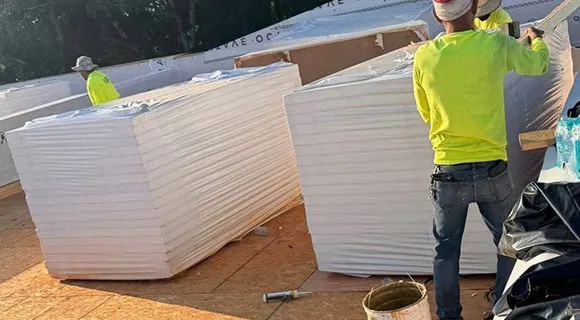
The most common solution involves tapered insulation systems. These insulation packages increase elevation gradually, guiding water toward drainage points. Tapered insulation arrives in prefabricated pieces that fit together precisely on the roof deck. Once installed, the roofing membrane attaches directly over the insulation, creating a seamless system that combines drainage, insulation, and waterproofing.
This method allows roofing professionals to correct poor drainage without altering structural components. It also improves energy efficiency by enhancing thermal performance across the roof surface. Proper layout and calculation remain essential, since poorly designed insulation patterns can worsen drainage rather than improve it.
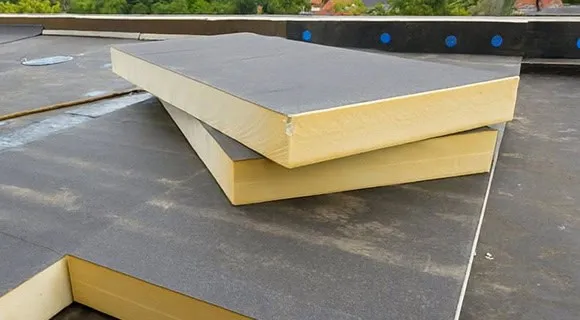
Tapered insulation systems come in various materials, including polyisocyanurate and expanded polystyrene. Each piece features a specific thickness that increases gradually across the roof plane. Contractors design these layouts based on the drainage locations, the roof dimensions, and the building use.
Installation begins with substrate preparation. Roofing crews secure insulation layers directly to the deck, following a detailed shop drawing. Precision matters at every stage. A slight deviation can disrupt water flow and compromise system performance.
Once insulation installation is finished, the roofing membrane is applied using adhesives, fasteners, or heat welding (depending on material choice). The finished roof appears to be flat (but with an intentional pitch protecting the building long-term).
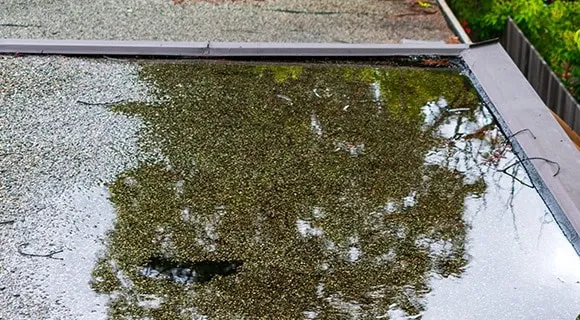
Roofs lacking proper slope often experience chronic ponding water. This condition can lead to membrane blistering, seam failure, and algae growth. Over time, moisture can penetrate insulation layers, reducing R value and increasing energy costs.
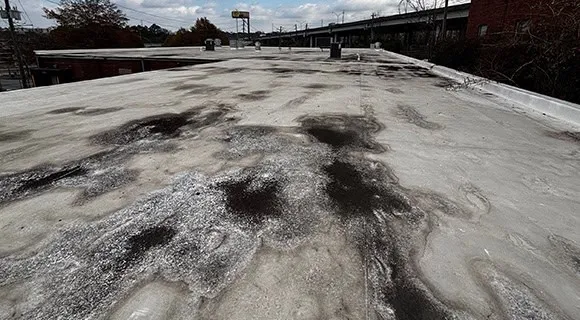
Standing water also adds unnecessary weight to the roof structure. During heavy storms, this load strains decking and framing, raising the risk of collapse in extreme cases. Insurance claims frequently find roof damage caused by drainage failures rather than material defects.
Correct slope design prevents these issues and extends roof service life. It also supports manufacturer warranty compliance, since many warranties exclude damage related to ponding water.
Preventive maintenance remains the best defense against slope-related roofing problems. The New Image Roofing Atlanta Roof Maintenance Contract provides scheduled inspections, drainage evaluations, and minor repairs that preserve system performance.
Technicians check drain flow, scupper function, and insulation integrity during each visit. Early detection allows corrective action before minor drainage issues escalate into costly damage. Maintenance plans also include detailed documentation that supports warranty requirements and long-term asset planning.
Consistent maintenance reduces potential emergency repairs and improves budget predictability for property owners. It also ensures that slope systems continue to perform as designed throughout the roof’s lifespan.

Flat roofing demands specialized knowledge, especially when slope engineering plays a critical role. New Image Roofing Atlanta brings proven expertise, local experience, and award-winning service. Recognized as a Best of Buckhead 2026 Winner for Roofing Services. the company delivers experience with tapered insulation design, drainage correction, and modern membrane systems.
The team thoroughly evaluates existing conditions, identifies hidden drainage challenges, and recommends solutions aligned with building use and budget goals. Skilled installation crews follow the manufacturer’s specifications, protecting warranty coverage and long-term performance. Consider the following:

Clients benefit from transparent communication, detailed project planning, and ongoing support beyond installation. This commitment helps building owners avoid repetitive problems and maximize their roofing investment.
Visit New Image Roofing Atlanta’s Google Business Profile.

Flat roofs rely on slope for proper performance, durability, and protection. Without adequate pitch, even high-quality materials fail prematurely. Understanding slope design empowers building owners to make informed decisions during the roof installation, repair, and maintenance planning.
Ultimately, slope transforms a flat roof from a liability into a reliable asset. Investing in proper pitch design and maintenance safeguards the building envelope, reduces repair frequency, and improves overall roof longevity.
This article explained why flat roofs require intentional slope, how pitch is built into modern systems, and how insulation packages support efficient drainage. Readers learned how slope protects membranes, reduces standing water, and extends the roof’s lifespan.
Applying these principles can allow for fewer leaks, lower maintenance costs, and improved building performance. Proper slope design combined with professional installation creates a roofing system that performs reliably year after year.
Ignoring slope issues can lead to recurring damage, increased repair expenses, and shortened roof service life. Understanding why slope matters helps property owners avoid these outcomes and protect their investment with confidence.