
Residential Roofing

Are you frustrated with a leaking roof, damaged insulation, and mold growth? Understanding what causes roof leaks (and how to stop them) can help prevent costly repairs and protect property value.

New Image Roofing Atlanta gathered essential information about roof leak causes in Georgia homes, explains the warning signs, preventative steps, and when it is time to call a professional roofer.
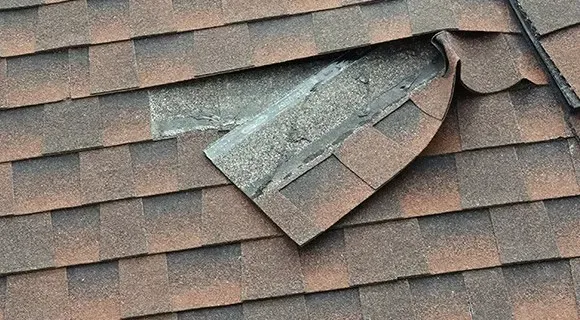
High winds can lift or remove shingles, exposing the underlayment and decking to moisture. Missing shingles leave open pathways for rainwater to seep through the roof system.
Hailstones can bruise shingles or crack tile, creating hidden entry points for water. Even minor hail impacts can compromise a roof’s surface over time.
Read more about hail damage detection and getting it repaired HERE.
Moss traps moisture against the roof surface and pushes under shingles as it grows. Over time, this leads to water penetration and rot.
Prolonged exposure to rainwater weakens flashing, loosens nails, and saturates underlayment. Eventually, moisture gets into ceilings and walls.
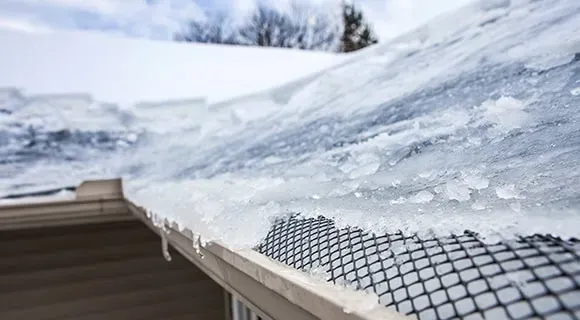
Ice dams form when snow melts and refreezes at the roof’s edge, blocking proper drainage. This backup forces water under shingles and into the home.
Constant sun exposure dries out roofing materials, causing them to crack, curl, or blister. Weakened surfaces allow rain to seep through even in light storms.
Sagging roofs, uneven planes, or warped decking compromise water flow and cause pooling. Poor support may also lead to additional roof damage during wind or snow events.
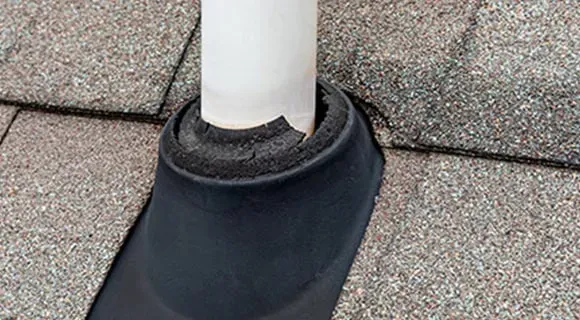
Flashing around chimneys, skylights, and vents directs water away from critical seams. When flashing loosens or corrodes, water finds easy access into interior spaces.
Read more about flashing, boots, and seals at HERE.
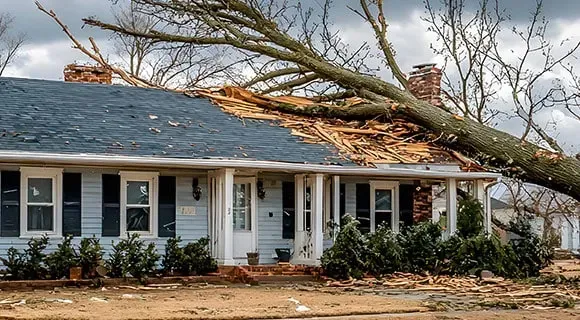
Overhanging branches scratch and wear down shingles while falling limbs puncture the roof. Even leaves and debris contribute to water backup and decay.
For tree pruning, risk assessment, or removal, call New Image Tree Solutions at 404-680-0041 for a free consultation and estimate.
Rats, squirrels, birds, and insects chew through roofing components to build nests or gain access indoors. Their tunneling or nesting weakens protection layers and leads to water entry.
Rooftop equipment, foot traffic, and DIY repairs can dislodge materials or leave gaps. Improper installation of HVAC or satellite dishes also creates vulnerabilities.
When roof damage warrants an insurance claim, watch this video for more information about how deductibles work.
Stopping leaks starts with regular maintenance and observation. These steps can significantly reduce the risk of sudden roof failure:
Being proactive instead of reactive can save thousands in damage repairs and keep a home protected year-round.
When to Call a Roofer
Some minor leaks can be managed temporarily, but many require immediate professional attention. Call a roofer if:
A licensed roofer can identify the source of leaks, recommend solutions, and ensure that repairs are long-lasting and compliant with local codes.
New Image Roofing Atlanta offers preventive maintenance programs tailored to local homes and weather conditions. Regular inspections and service appointments are scheduled to identify wear and vulnerabilities before roof damage escalates. Each maintenance program includes:
A maintenance program provides peace of mind, protects against seasonal hazards, and extends the life of a roofing system. For busy homeowners or commercial properties, it’s a cost-effective way to avoid unexpected roofing failures.
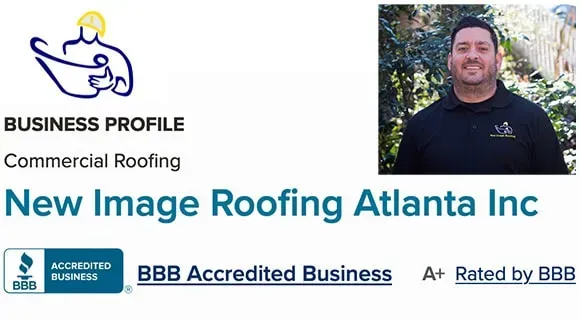
New Image Roofing Atlanta brings decades of local experience, top-tier materials, and a skilled team of certified professionals. From minor repairs to full roof replacements, the company provides the highest quality, reliability, and customer satisfaction.
Key reasons to work with New Image Roofing:
BBB Accredited Business – New Image Roofing Atlanta is an accredited A+ Rated roofing contractor.
Whether dealing with minor leaks or preparing for the severe weather season, New Image Roofing Atlanta delivers dependable results and long-term protection.
Not every leak stems from dramatic storm damage. Often, roof failures result from gradual wear, overlooked maintenance, or minor issues that escalate over time. That’s why routine inspection and upkeep are so important.
Early Detection Is Critical
Detecting minor issues (like lifted shingles, rusted flashing, or slow-draining gutters) can prevent leaks from forming in the first place. Homeowners should walk their property and look up at the roofline after each storm. Signs such as dark spots on ceilings or granules in gutters suggest shingle damage that needs attention.
Different Roofing Materials Require Different Care
Metal roofs may be more resistant to hail, but seams and fasteners must be checked regularly. Asphalt shingles are vulnerable to curling, loss of granules, and UV damage. Flat roofs demand vigilant monitoring for pooling water and cracks. Understanding how to care for each material increases a roof’s effectiveness and lifespan.
Prevention Saves Money
A roof leak often means more than a small patch job. Once water enters a home, insulation, drywall, flooring, and even electrical systems are at risk. Taking the time to maintain the roof can avoid thousands in repair bills and months of disruption.
Work With Experts
Professional roofers possess the tools and knowledge to assess and fix problems that may not be visible to the untrained eye. They also offer warranties and stand behind their work, giving homeowners added assurance. For residents of Roswell, Atlanta, and surrounding communities, New Image Roofing Atlanta is a dependable, experienced choice.
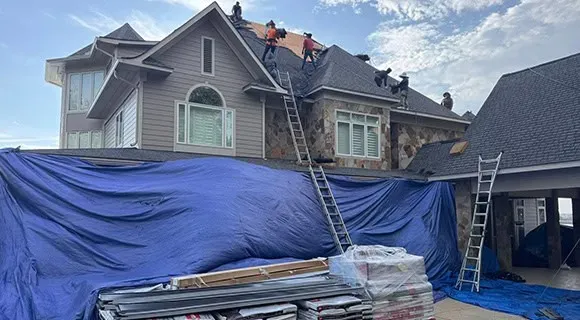
Reasons Your Roof Leaks
In this article, you discovered information about 11 reasons roofs leak in Georgia homes, warning signs, preventative steps, and when it is time to call a professional roofer.
Partnering with a trusted roofing provider like New Image Roofing Atlanta ensures you stay ahead of roof damage and enjoy peace of mind through every season.
Ignoring minor leaks and roof irregularities will lead to significant issues, requiring costly and time-consuming repairs.