
Roof Materials
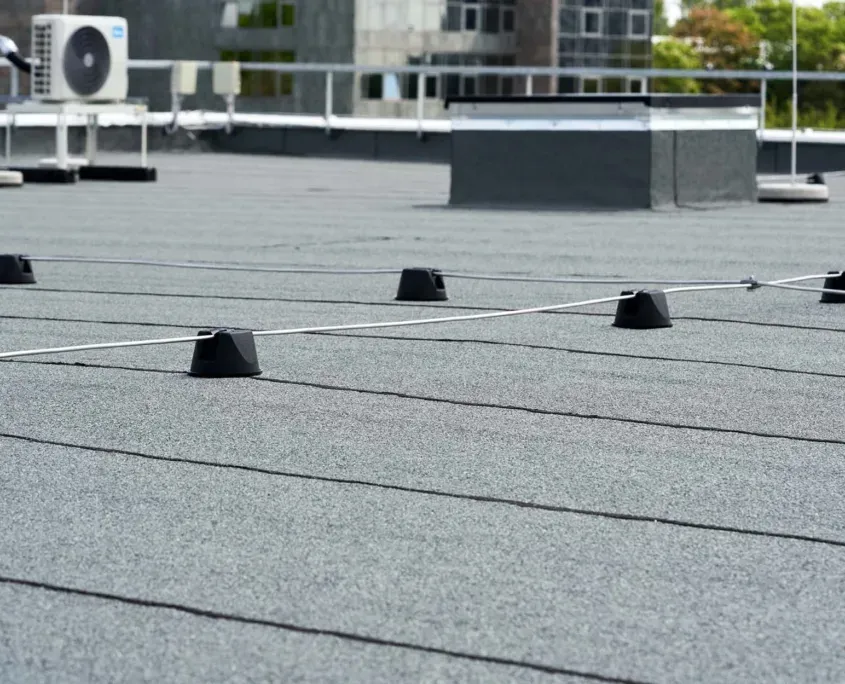
A properly installed and maintained roof can provide security for your building for years down the road. That being said, there are a number of factors that can determine how long a roof will last, as well as a variety of roofing materials, so it can be difficult to know which type of roofing material will provide the greatest degree of longevity.
A roof’s lifespan is not solely dependent on the type of roofing material that it’s built from. In fact, there are a number of factors that determine how long your roof will last.
Below is a list of some of the most common types of roofing materials and how long they tend to last. Of course, these are estimates and ranges based on ideal environments, installation, and maintenance.
Each type of roofing material comes with its own pros and cons. For example, while slate, clay, and concrete roofs can last for more than 100 years with the proper maintenance, they’re all much heavier and more expensive than other types of roofing materials. Other types of material, like modified bitumen or synthetic rubber are preferable to use as flat roof materials, but don’t last nearly as long.
One of the most popular types of roofing materials for commercial buildings is thermoplastic polyolefin (TPO), a type of rubber roofing material. TPO is great for areas like Atlanta, where the sun is harsh, because it’s white and reflects UV rays. As a rubber roofing material, it also provides superior leak protection for all those summer storms. However, TPO can require heat welding around chimneys or other roof penetrations, so without the highest quality of installation, it can actually degrade quickly.
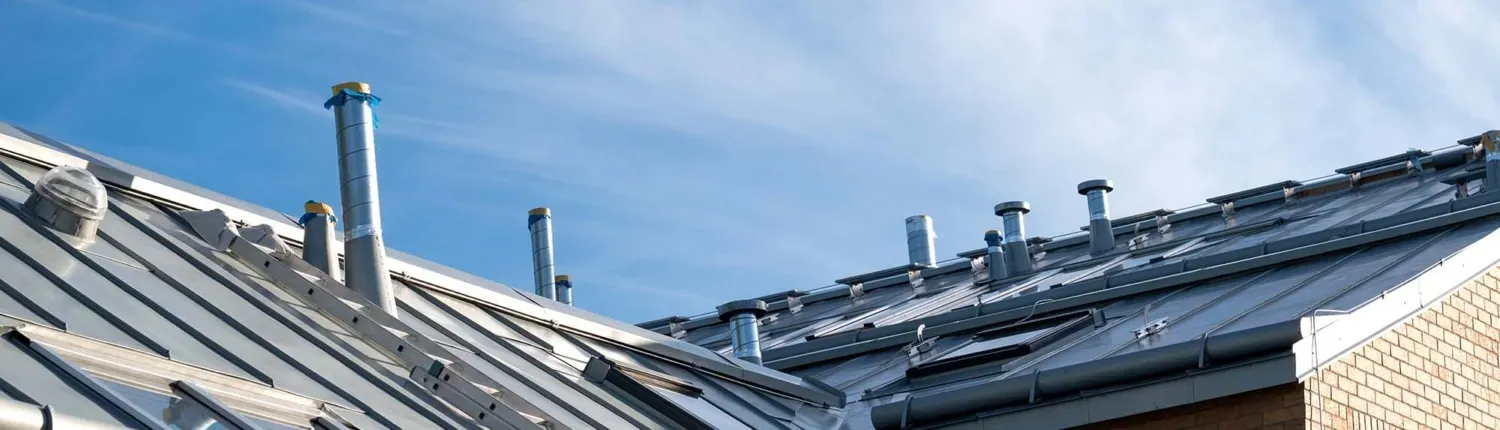
Metal roofs are another increasingly popular type of roofing material, and they come with a myriad of benefits as well. Not only are they one of the longest lasting types of roof, they are extremely durable and are often made with a decent percentage of recycled materials. They also require less ongoing maintenance than roofing materials like asphalt or wood shingles.
However, there are a few drawbacks to metal roofs. Although they are less expensive than slate or clay roofs, they are still one of the more expensive types of roofing material available. Moreover, due to their metallic nature, they will expand and contract with the heat and cold, respectively. In some cases, this can cause a problem with the fasteners that hold them in place. These fasteners can degrade or come loose over time, which can lead to leaks or other structural problems. Temperature changes can also cause the metal roof to warp over time.
Regardless of which type of roofing material you choose, you’ll need to make sure that it’s properly installed and maintained and that it’s conducive to the type of weather that your area experiences. Otherwise, you run the risk of limiting the quality and length of your roof’s life.
At New Image Roofing, we can source and provide many types of roofing materials for your home or business needs. Whether you want to replace your old asphalt shingles with an energy-efficient metal roof or you need a leak-proof synthetic roof coating for your warehouse, New Image Roofing can help you find the most cost-effective, longest-lasting roofing option.
Our experienced teams will help make sure that you’re choosing the best roof for your area. Then, we’ll make sure that it is installed with the utmost degree of quality, so you can rest assured that it will last as long as possible.