Severe Winter Roof Damage
Severe Weather
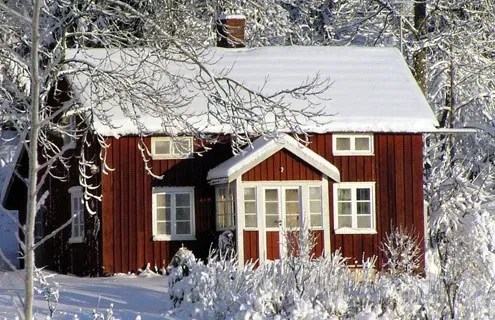
Worried about how your roof will perform during the frigid winter months? Knowing how to prepare your roofing system for a challenging and freezing winter will help you mitigate and prevent common wintertime residential roofing issues.

New Image Roofing Atlanta gathered information on winterizing your home’s roof for the winter months, damages caused by freezing temperatures and winter storms, and when to call your roofer.
Your home’s roof is the primary defense against severe cold weather. Preparing your roof for extremely low temperatures is essential to its resilience and prevents potential costly damages. Consider the following strategies for winterizing your roof:
- ✔
Inspect and Repair Shingles – Conduct a thorough roof shingle inspection. Look for any missing, damaged, or curled shingles. Replace or repair them to ensure a solid and protective surface.
- ✔
Clean Gutters and Downspouts – Clean gutters are crucial for water drainage, especially during winter. Remove debris, leaves, and blockages from gutters and downspouts to prevent ice dams and water backups.
- ✔
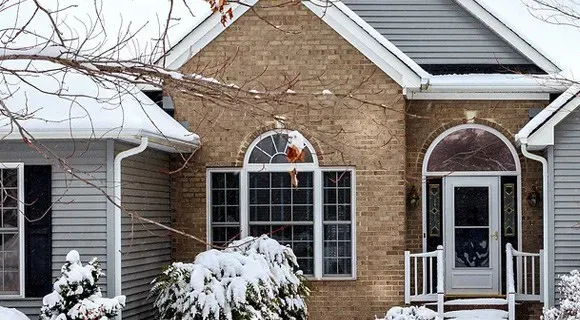
Seal Roof Leaks – Address existing leaks (as quickly as possible) by sealing them with roofing cement or calling your roofer to fix them. Leaks can worsen during freezing temperatures, leading to ice formation and more significant damage.
- ✔
Check Flashing and Ventilation – Inspect flashing around chimneys, vents, and skylights for visible signs of wear or damage. Ensure the roof’s ventilation system is unobstructed and functioning correctly to prevent condensation and ice buildup in the attic.
Read more about roof ventilation at newimageroofingatlanta.com/residential-roof-ventilation
- ✔
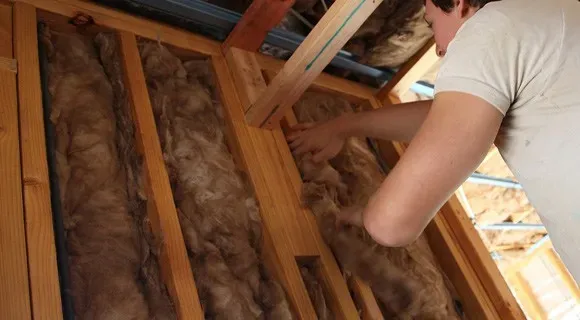
Insulate Attic Space – Proper attic insulation is essential for maintaining consistent and comfortable indoor temperatures. Insulate your attic to prevent heat loss, significantly reducing ice dams and damages caused by freeze-thaw cycles.
- ✔
Trim Overhanging Branches – Overhanging branches can accumulate snow and ice, increasing the load on your roof and potentially causing severe damage. Trim branches away from your roof to minimize falling debris and ice accumulation.
- ✔
Install Ice and Water Shields – Consider installing ice and water shields along your roof’s eaves. These shields provide an extra protective barrier against ice dams and prevent water infiltration during freezing conditions.
- ✔
Remove Snow Accumulation – After snowfall, promptly remove accumulated snow from your roof using a roof rake. Excessive snow load can strain the structure, leading to potential collapses or severe structural damage.
Caution: Call your roofer before trying to repair your roofing system alone. Attempts to DIY roof repairs can void warranties, cause an insurance claim denial, and result in costly out-of-pocket expenses.
Damages Caused by Freezing Weather
Most weather-related damages can be prevented by acquiring a Roof Maintenance Program. A maintenance program helps you detect issues and correct them long before they result in costly repairs.
- ✔
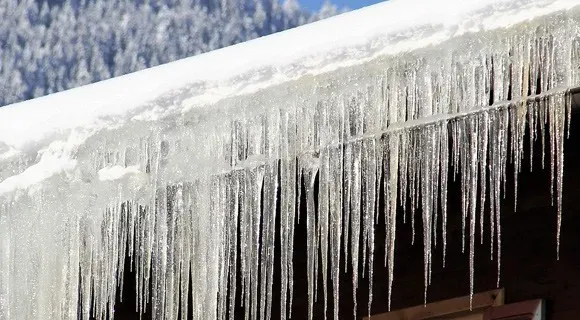
Ice Dams – A primary issue during freezing weather is ice dam formation. These dams occur when melting snow refreezes at the roof’s edge, leading to water backups and potential leaks.
- ✔
Freeze-Thaw Cycles – Fluctuations between freezing and thawing can cause shingles and flashing to expand and contract. This repetitive cycle may result in cracks, leaks, and overall roofing material degradation.
- ✔
Condensation – Inadequate attic ventilation can lead to condensation in cold weather. Condensation can contribute to ice dam formation and compromise the roof’s structural integrity.
- ✔
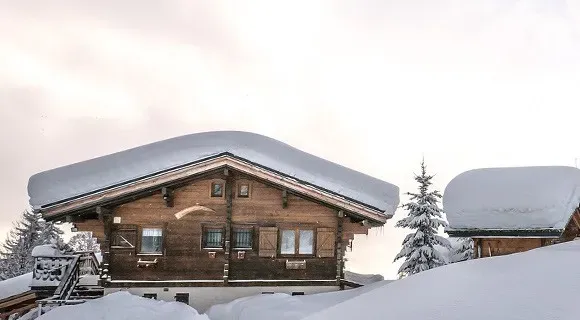
Snow Load – Excessive snow and ice accumulation on a roof can lead to a heavy load, potentially causing structural damage or even roof failure. It is crucial to monitor this accumulation and remove snow promptly.
- ✔
Brittle Shingles – Freezing temperatures can make shingles more brittle and susceptible to damage. Brittle shingles are prone to cracking, breaking, and losing granules, significantly reducing their effectiveness in protecting your home.
Residential Roofs in Freezing Weather
In this article, you discovered how residential roofing systems are prepared for extreme cold weather, potential wintertime damages, and when you should call your roofer.
Understanding how to winterize your home’s roof, detect problems early, and when to call for help will prevent severe structural damages and costly repairs.
Ignoring the need to prepare your roofing system for the winter months will leave it vulnerable to storms and requiring otherwise unnecessary repairs.