

Roof Materials
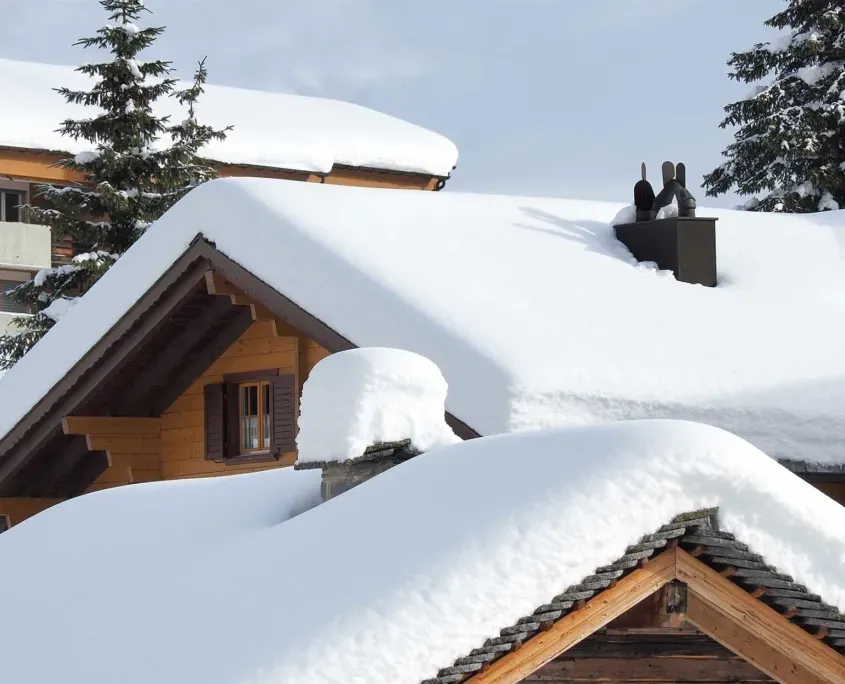
Every year, we experience the cyclical changing of the seasons, moving from one end of the temperature spectrum to the other. Your roof protects you from the harsh weather, but it can take a toll over time. Fluctuating between hot and cold can put stress on your roof and lead to roof wear and tear.
Spring, summer, autumn, and winter all bring unique challenges that affect the condition of your roof. Whether it’s hail, blistering heat, or numbing cold, the weather puts a lot of strain on your roofing system. One of the most troubling temperature-related problems, however, is thermal shock.
As you may know, when materials are put under heat, they tend to expand. The opposite is true when materials are put in cold conditions. While expanding and contracting can be rough on a material, it won’t immediately result in issues. However, if this expanding and contracting is done in a relatively short span of time, it can cause some serious damage. A perfect example of this would be putting cold liquid in a hot glass. Imagine your dishwasher just finished its heated drying cycle. Feeling a little thirsty, you grab a glass from the dishwasher and pour ice cold water in it. As soon as the cold liquid hits the glass, heat is quickly taken away from the glass and it rapidly contracts. The sudden shift in temperature causes the glass to form multiple cracks and shatter. This is thermal shock, and it’s something that affects all kinds of substances. While wood, metal, and other roofing materials aren’t as brittle as glass, thermal shock can create cracks and other trauma for them. If those cracks lead to leaks, you could have a big problem on your hands.
No matter where you live, your roof never gets a break from Mother Nature. However, what you need to be concerned about differs depending on the location. If you live in an area that experiences cold winters and hot summers, then your roof is at risk of thermal shock. Areas like California, Arizona, Hawaii, and other states with warm winters don’t usually have to be concerned about this kind of problem.
If you’re concerned about the condition of your roof after a change in the temperature, be on the lookout for visible signs of damage. Here are a few of the most common signs associated with thermal shock damage:
The expansion and contraction of your roof is inevitable, but what you can do is create a thermal roof system. Regardless of the type of roof on your building, make sure to consider the local climate of your area. Your roof needs to be able to withstand the type of weather that’s typical in that location. A good thermal roof system uses materials that are resistant to changes in temperature, like reflective coating that reduces ultraviolet (UV) light absorption.
New Image Roofing is the premier roofing contractor in the Atlanta, Georgia, area. We offer a comprehensive list of solutions that can keep your roof in peak health. Whether you have a flat, metal, shingle, or another type of roof, we can serve you. Contact us today to learn more about our services.