

Residential Roofing
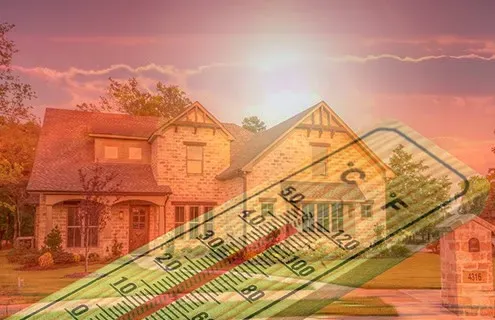
Keep your home’s roof from suffering costly damage and leaking during extreme heat. Knowing how to keep your roof in its best condition will help you make it through the hottest weather conditions.

New Image Roofing Atlanta gathered information about preparing your home’s roofing system for hot weather, identifying heat-related damages, and when to call a professional roofer.
As temperatures soar during summer, your roof becomes the first line of defense against the relentless heat. Properly preparing your roof for extreme temperatures is crucial to maintaining its integrity and ensuring the longevity of your home. Address the following:
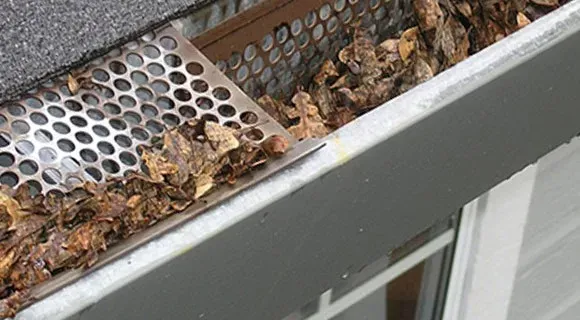
Inspect and Clean Gutters – Before the extreme heat sets in, inspect and clean your gutters and downspouts. Remove debris, leaves, and any other obstructions to ensure proper drainage. This prevents water buildup that can exacerbate the effects of extreme heat on your roof.
Trim Overhanging Branches – Overhanging branches can cast shadows on your roof, trapping heat and preventing proper ventilation. Trim branches that hang over your roof to allow for better air circulation and reduce the risk of damage from extreme heat.
Note: Tree branches touching your roof can cause shingle damage. Since the tree branch will grow towards the shingles, it will start to push on them. This can cause the shingles to become uplifted, cracked, or pushed out of place.
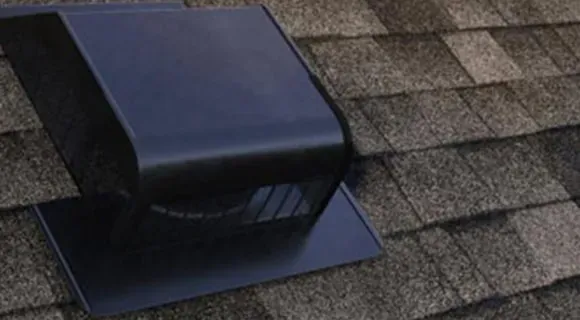
Check and Seal Roof Vents – Inspect your roof vents for damage or deterioration. Ensure that vents are properly sealed to keep hot air out of your attic. Proper ventilation helps regulate temperature and prevents heat-related issues such as warped shingles and accelerated aging.
Install Reflective Roofing Materials – Consider using reflective roofing materials to mitigate the impact of extreme heat. Reflective coatings or light-colored roofing materials can help bounce off sunlight, reducing heat absorption and keeping your home cooler.
Apply UV-Resistant Coating – Protect your roof from the damaging effects of UV rays by applying a UV-resistant coating. This coating acts as a barrier against the sun’s rays, preventing premature aging, discoloration, and deterioration of roofing materials.
Insulate Your Attic – Adequate attic insulation is essential in preventing heat transfer from the roof to the interior of your home. Proper insulation helps maintain a comfortable indoor temperature and reduces the strain on your cooling system.
Install Shade Structures – Consider installing shade structures, such as awnings or pergolas, to shield your roof from direct sunlight. These structures provide relief from extreme heat and help extend the life of your roofing materials.

Like wood siding, asphalt shingles expand and contract in hot and cold temperatures. Eventually, the material wears and can result in cracks on the shingle surface. These cracks allow water to seep into your shingles, which can cause severe damage to your underlayment, decking, and, eventually, the attic. You should also be aware of the following:
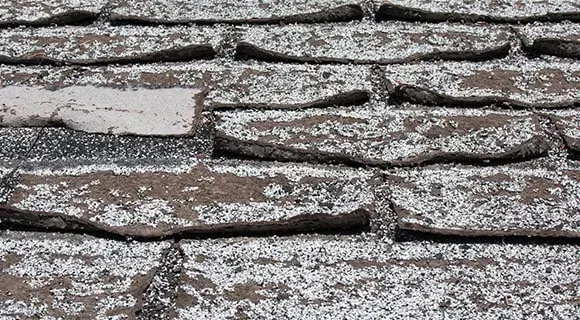
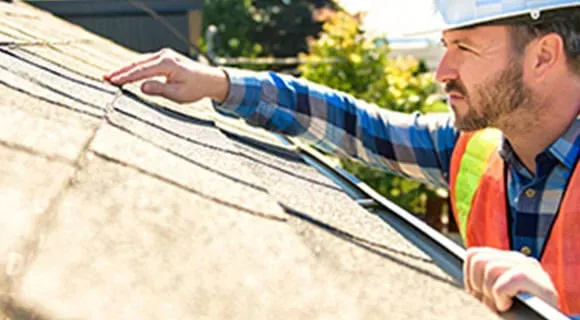
If your roof is older, shows signs of damage, or is sagging or drooping, it may be time to CALL A ROOFER. Consider the following signs:

In this article, you discovered how to keep your roof ready for extreme heat, the damages high temperatures can cause, and when to call a professional roofer.
Preparing your roof for hot weather is a proactive step to ensure its resilience and longevity. Following the recommended strategies and being vigilant for potential damages caused by extremely high temperatures, helps you maintain a well-protected and comfortable home.
Failure to prepare your home’s roofing system for extreme heat may result in multiple leaks and costly structural damage.