

Residential Roofing
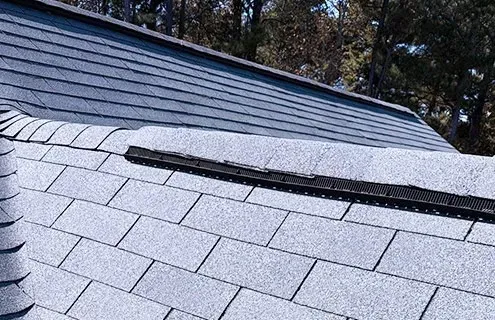
Are you worried about the cost to fix roof leaks or why your home is constantly overheating? Understanding how ridge caps work, why they matter, and when to inspect or replace them can save thousands in future repairs.

New Image Roofing Atlanta gathered information about the vital role ridge caps play in residential roofing systems, how they protect against moisture and heat, and why proper installation and maintenance are essential. Their expert team offers valuable insight into how homeowners can ensure their ridge caps perform effectively year-round.
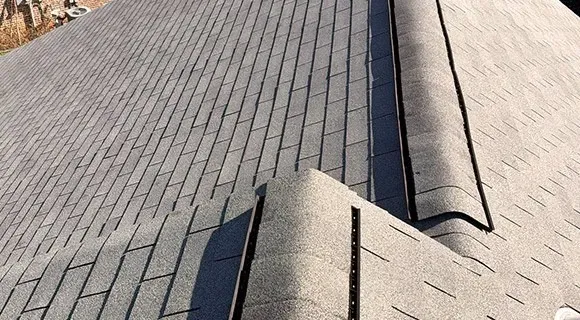
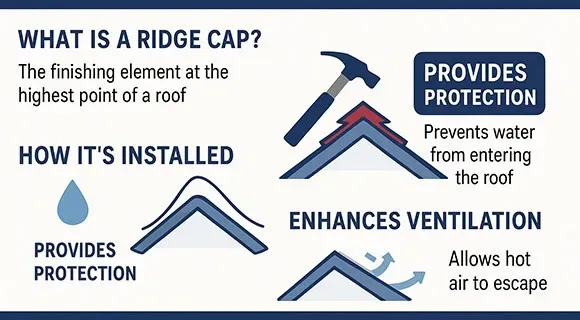
A ridge cap is the finishing touch placed along the peak where two roof slopes meet. It seals the roof’s highest point, preventing rain, snow, and debris from penetrating while allowing trapped heat and moisture to escape through ventilation channels. Typically made from asphalt shingles, metal, or specialty vented materials, ridge caps are designed to integrate with the overall roof design both aesthetically and functionally.
A well-installed ridge cap not only adds a polished appearance to the roofline but also plays a vital role in the longevity and efficiency of the roofing system. Without it, even minor rainfall can seep into the underlying structure, leading to rot, insulation damage, and premature roof failure.
Installing a ridge cap requires precision and expertise. Roofers begin by aligning the ridge line and ensuring the underlayment is correctly overlapped. Starter shingles or ridge-specific materials are placed first, then layered from one end to the other, overlapping each section to direct water away from seams.
Each piece is securely fastened with corrosion-resistant nails and sealants designed for high-exposure areas. On vented ridge systems, a vent roll or ridge vent is positioned beneath the cap shingles, providing airflow without allowing water entry. Proper alignment and sealing are crucial – even a slight misplacement can compromise water resistance or reduce ventilation efficiency.
When performed by trained professionals, ridge cap installation enhances both the protection and appearance of a roof. For homes in areas prone to heavy rain or fluctuating temperatures (like Atlanta), proper ridge cap installation helps maintain a consistent attic temperature and prevents costly weather damage.
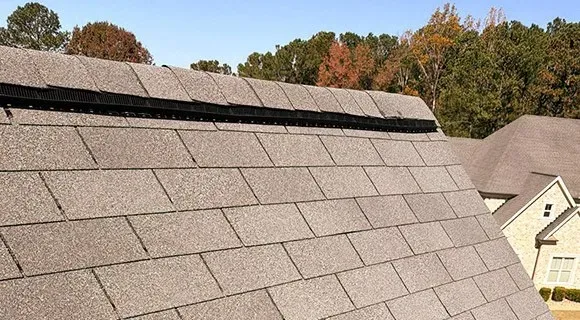
A ridge cap performs dual functions: sealing and ventilating.
Without a functioning ridge cap, even the most robust roofing system becomes susceptible to leaks, warping, and premature wear.
Preventive maintenance is key to extending roof life and ensuring ridge caps remain in excellent condition. New Image Roofing Atlanta offers comprehensive roof maintenance contracts designed to identify minor issues before they become significant problems.
Under this contract, homeowners receive periodic inspections where experts assess ridge cap integrity, ventilation efficiency, and shingle alignment. Technicians also check for nail pops, missing caps, or cracked seals that could allow water infiltration. Regular maintenance includes debris removal, sealing reinforcement, and vent cleaning to ensure airflow remains unobstructed.
This proactive service saves homeowners from emergency repairs caused by unseen ridge deterioration. It also ensures that warranties remain valid, as most manufacturers require regular maintenance for coverage eligibility.

New Image Roofing Atlanta specializes in residential and commercial roof systems, emphasizing precision, safety, and durability. Their technicians are trained in advanced roofing techniques, including ridge cap installation, replacement, and repair.
By choosing this team, homeowners gain access to:
When evaluating ridge caps, several factors determine their effectiveness and longevity:
1. Material Selection – Ridge caps must match the roof material in durability and texture. Asphalt shingle roofs require specialized ridge shingles, while metal roofs use contoured metal ridge caps with weatherproof fasteners.
2. Ventilation Balance – A ridge cap is most effective when combined with soffit vents that allow balanced airflow. Improper venting can lead to attic moisture or heat buildup, weakening insulation and decking.
3. Installation Precision – Correct nail placement, overlap direction, and sealant use determine water resistance. Improper installation can void manufacturer warranties and reduce performance.
4. Weather Resistance – Choose ridge materials rated for local climate conditions. In Atlanta’s humid and storm-prone weather, wind-resistant, UV-protected ridge shingles are ideal.
5. Maintenance Frequency – Regular inspections, especially after heavy storms, help detect early damage. Loose ridge shingles should be resealed immediately to prevent leaks.
6. Signs of Damage – Cracks, curling edges, or visible gaps indicate compromised sealing. Addressing these early prevents costly repairs and structural decay.
7. Professional Oversight – Even minor ridge repairs should be handled by experienced roofers familiar with ventilation dynamics and local code requirements.
Proper attention to these factors ensures that ridge caps perform their intended role — protecting, ventilating, and completing the roof’s structure.
In this article, homeowners discovered how crucial ridge caps are to a roof’s structural health, energy efficiency, and appearance. Understanding their purpose, installation methods, and maintenance requirements helps prevent issues like leaks, poor ventilation, and premature roof deterioration.
By having ridge caps inspected, maintained, and installed by experts such as New Image Roofing Atlanta, homeowners ensure lasting protection and performance. Regular roof care not only extends lifespan but also preserves property value while enhancing energy savings.
Neglecting ridge cap maintenance or improper installation can lead to severe damage, costly repairs, and loss of home comfort. Preventive service provides peace of mind, ensuring your home remains protected, efficient, and beautiful.