

Residential Roofing
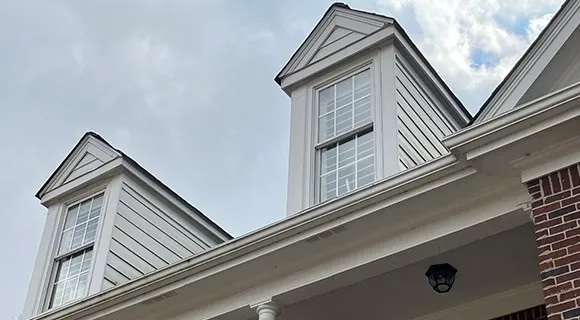
Are you concerned about interior rooms feeling dark, attic spaces feeling unusable, moisture appearing near roof transitions, or curb appeal feeling flat? These pain points typically originate from roof design rather than roofing material alone. Understanding dormers and their function within residential roofing helps homeowners make informed decisions that improve livability, ventilation, natural light, and long-term roof performance.

New Image Roofing Atlanta gathered information about residential dormer design, structural integration, roofing methods, and maintenance considerations to help homeowners avoid costly mistakes. This article explains what a dormer is, why it matters for roof systems, how proper installation protects a home, and why professional expertise plays a crucial role in long-term results.
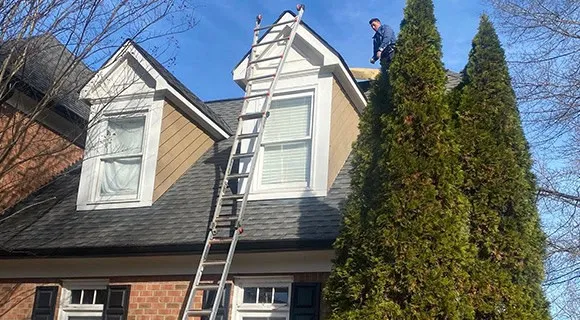
A dormer is a roofed structure that projects vertically from a sloped roof surface. It typically contains a window and creates usable interior space while altering roof geometry. Dormers are common in homes with a steep-pitch roof, attic conversion, or upper expansion where headroom and daylight are limited.
From an architectural standpoint, dormers break up long roof planes and add visual balance. From a functional standpoint, dormers increase ventilation, introduce natural light, and allow attic areas to function as bedrooms, offices, or storage spaces. When properly designed, a dormer integrates seamlessly with the main roof while maintaining water-shedding performance.
Dormers come in several styles, including gable dormers, shed dormers, hip dormers, eyebrow dormers, and wall dormers. Each style impacts roof framing, drainage paths, and shingle layout differently. Choosing the right dormer style requires evaluating roof pitch, climate exposure, and interior goals.
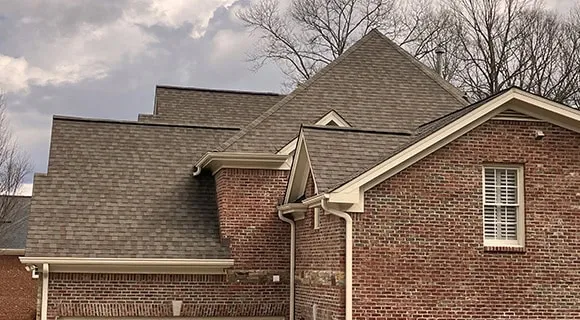
Dormer installation begins with structural planning. Roof framing must be modified to create an opening without compromising load distribution. Rafters are cut and reinforced with headers to support weight transfer around the dormer opening. This step requires precision (improper framing can cause sagging, cracking drywall, or roofline distortion).
Once framing is complete, exterior walls are built and tied into the existing roof structure. Sheathing follows, creating a continuous surface for roofing materials. Flashing installation becomes critical at this stage. Step flashing, apron flashing, and counter flashing must be layered correctly to manage water flow where dormer walls intersect roof slopes.
Roofing installation continues with underlayment, ice and water barrier, and shingles, blending with the existing roof. Proper sequencing ensures water moves away from dormer transitions rather than collecting near seams.
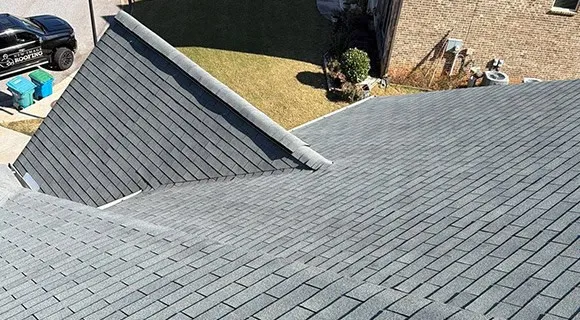
Roofing a dormer requires attention to slope changes and material compatibility. Dormer roofs may have a different pitch than the main roof sections, which may affect shingle exposure and fastening patterns. Underlayment selection must account for increased water concentration near dormer valleys.
Flashing systems serve as a primary defense against leaks. Metal flashing components must extend beneath shingles and behind siding to create layered protection. Counter flashing is embedded behind wall cladding to prevent moisture intrusion during heavy rainfall.
Ventilation considerations also matter. Dormers often alter attic airflow patterns. Ridge vents, soffit vents, or dormer-specific vents may be required to maintain balanced air movement and prevent heat buildup or condensation.
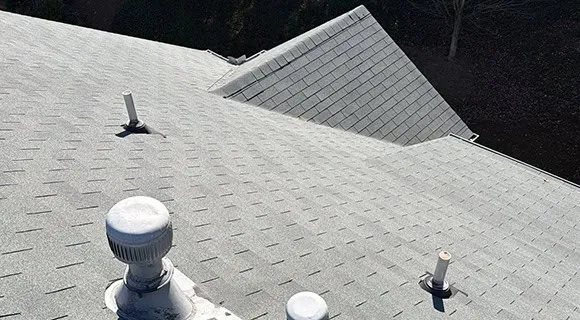
A dormer transforms roof performance beyond aesthetics. It increases usable interior volume by raising the ceiling height. This allows attic spaces to meet residential code requirements for living areas. Dormers also introduce vertical windows, which improve daylight distribution and reduce reliance on artificial lighting. From a roofing perspective, dormers influence drainage paths.
Water concentrates near valleys and sidewalls, making proper design essential. When executed correctly, dormers enhance roof efficiency rather than compromise it.
Dormers also support long-term roof health by improving ventilation potential. Better airflow reduces moisture accumulation that leads to mold growth, wood rot, and shingle deterioration.
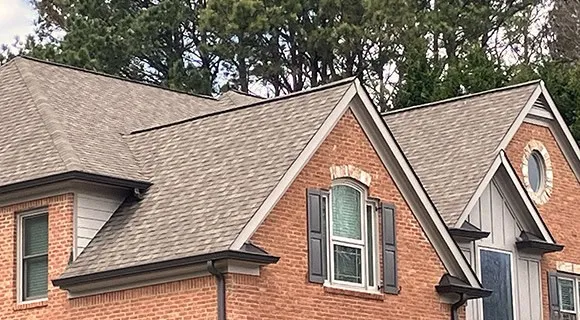
Many homes benefit from dormers when interior expansion is needed without altering the foundation footprint. Dormers provide a solution for homeowners seeking added living space while preserving yard area.
Dormers also improve resale value by increasing square footage usability and architectural appeal. Buyers often favor homes with well-integrated dormers (due to improved natural light and character).
In climates with varied seasonal conditions, dormers contribute to energy efficiency by improving insulation layout and ventilation balance. This results in better temperature regulation throughout the upper levels.
Preventive maintenance protects dormers from premature failure. A New Image Roofing Atlanta Roof Maintenance Contract can provide scheduled inspections focusing on flashing integrity, shingle condition, sealant performance, and drainage flow near dormer transitions.
Maintenance visits identify early warning signs such as lifted shingles, cracked flashing, sealant shrinkage, and debris accumulation near dormer valleys. Addressing these issues early prevents leaks, interior damage, and structural repairs.
The contract also includes documentation support for warranty compliance and storm damage claims. Consistent maintenance extends roof lifespan while preserving dormer performance through seasonal changes.

Dormer work demands specialized roofing knowledge. New Image Roofing Atlanta brings expertise in structural integration, water management, and architectural consistency. The team understands how dormers interact with roof systems rather than treating them as standalone features.

Clients benefit from transparent communication, detailed project planning, and skilled installation crews trained in modern roofing standards. Each dormer project receives tailored solutions rather than generic approaches.
Dormers represent both opportunity and responsibility within residential roofing. Understanding their function helps homeowners make decisions that support comfort, durability, and value.
Informed homeowners gain confidence. Knowledge permits homeowners to ask informed questions, evaluate proposals accurately, and protect long-term investment through proper planning.
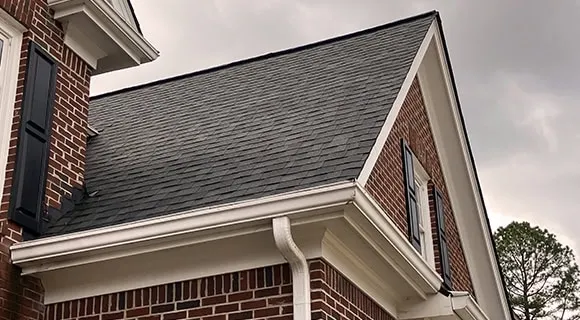
This article explained what dormers are, how they integrate into residential roofing systems, and why proper installation and maintenance are crucial. Readers learned about structural framing, roofing techniques, ventilation considerations, and preventive care strategies related to dormers.
Applying this knowledge leads to improved interior comfort, enhanced curb appeal, stronger roof performance, and reduced long-term repair costs. Working with an experienced contractor ensures that dormers add value rather than risk.
When dormer design and maintenance are ignored, it can lead to leaks, structural stress, energy inefficiency, and costly repairs. Without proper understanding and professional support, minor issues escalate into major roofing failures.