
Residential Roofing
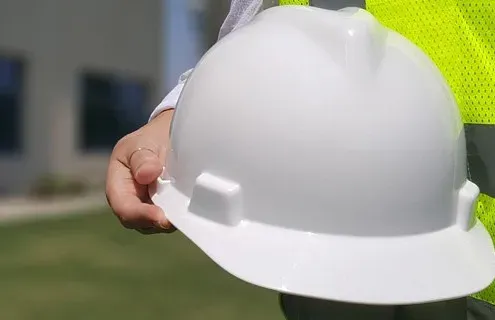
Prevent severe damage to your home and landscape and devastating injuries to your roofers and loved ones. When safety equipment is utilized properly, and safety procedures are adhered to, costly damages and severe injuries can be prevented.

New Image Roofing Atlanta gathered essential information on equipment and requirements that ensure roofing crew and occupant safety, including any necessary permits, emergency preparedness plans, and severe weather forecasts.
Roofing work can be hazardous, and the consequences of neglecting safety measures can be severe (ranging from minor injuries to fatal accidents). Ensuring safety is not only a legal and ethical obligation but a practical one that minimizes delays, additional costs, and potential damage to the property. Consider the following roofing crew safety equipment:
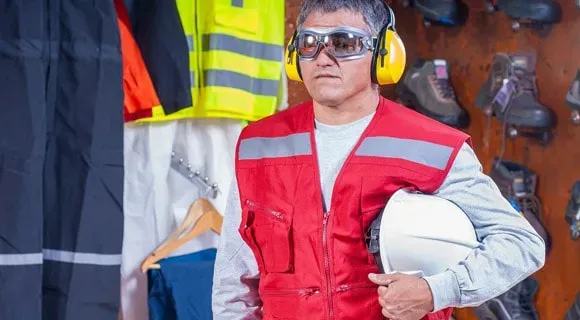
PPE provides protection against falling debris, sharp objects, and noise-related issues.
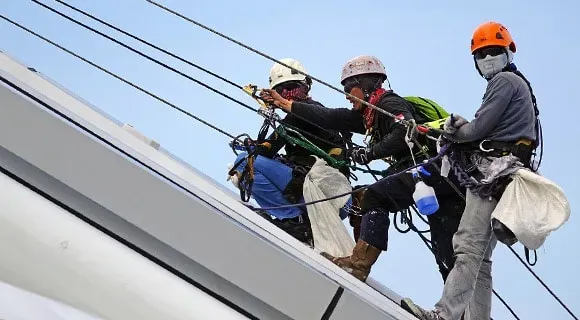
Note: Roofing companies must provide training on the proper use of these systems to prevent falls from heights.
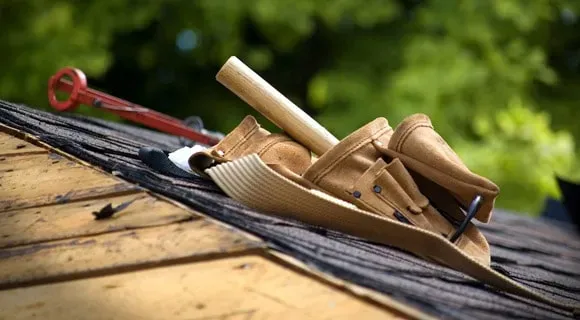
Note: These tools are designed to enhance efficiency while minimizing risks associated with manual labor.
Tip: All cutting or trimming equipment must be kept sharpened to prevent incidents from over-used or dull blades.
While much of the safety responsibility falls on the roofing crew, homeowners and occupants also have a crucial role to play in ensuring safety during a roof replacement project.
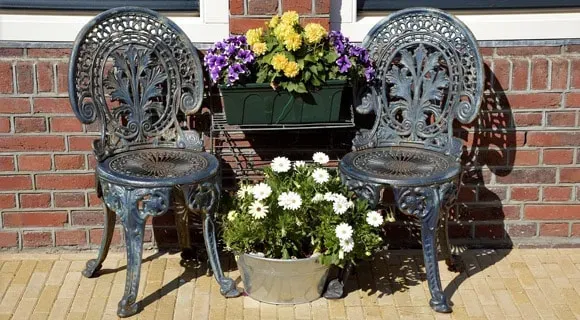
Tip: If you have limited space to store these items, rent a storage unit for their safe-keeping.
Roofing projects are subject to local building codes and regulations. Compliance with these codes – when applicable – is mandatory to ensure the safety and structural integrity of the roof.
It’s essential for roofing companies to obtain any necessary permits and inspections before and after the project. Homeowners should verify that their roofing contractor is licensed, insured, bonded, and that they adhere to all local and/or regional regulations.
Both the roofing crew and occupants should be prepared for emergencies. Roofing companies should have an emergency plan in place, including:
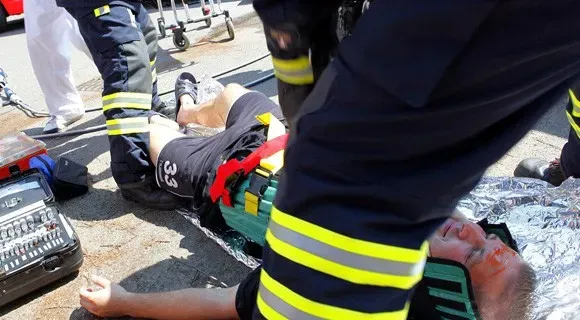
Homeowners should know how to contact emergency services and be familiar with evacuation routes in case of fire or other emergencies.
Weather can significantly impact the safety of a roofing project. Roofing work should not proceed in adverse weather conditions, like:
It’s essential to monitor weather forecasts and reschedule work if necessary to prevent accidents related to slippery surfaces or unstable conditions.
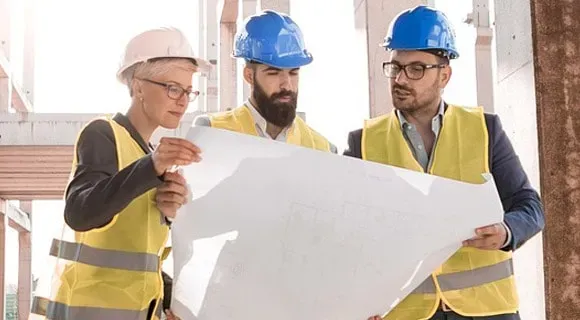
Clear communication between the roofing crew and homeowners is vital for ensuring safety. Homeowners should be informed of the project’s timeline, potential disruptions, and safety measures. Likewise, the roofing crew should be aware of any unique circumstances or concerns within or around the home.
Note: Following safety requirements, complying with regulations, and maintaining open communication will keep the crew and occupants safe throughout a successful and secure roofing project. Safety should always be the top priority when embarking on any roofing endeavor, as it protects lives, property, and peace of mind.
Subscribe to this YouTube Channel to see informative videos about roofing topics.
In this article, you discovered essential information about the safety equipment and requirements needed to keep your roofing crew and loved ones safe during a residential roof replacement.
Meticulous attention to safety procedures and equipment usage will keep your roofers and home’s occupants from suffering life threatening injuries when mishaps occur.
Disregard for safety protocols can lead to devastating injuries when a roofer loses their balance or material slides off the roof falling to the ground.