
Residential Roofing
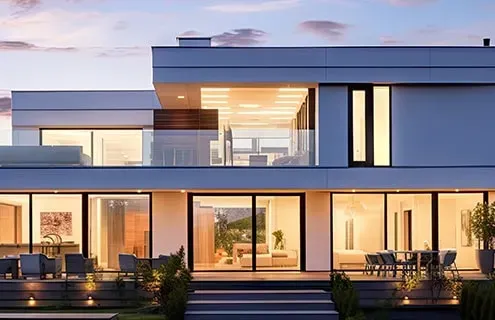
Avoid installing an inefficient, high-maintenance residential roofing system. Knowing the extreme benefits and durability of low-slope roofing systems will help you determine which roofing system to install on your Atlanta, Georgia, home.

New Image Roofing Atlanta gathered information detailing low-slope roofing system advantages and environmental benefits.
Considering a residential low-slope roof can provide numerous benefits. From energy savings to maintenance advantages, a low-slope roof can be a wise investment for Atlanta homeowners looking to enhance the functionality and efficiency of their homes. Consider the following low-slope roofing advantages:
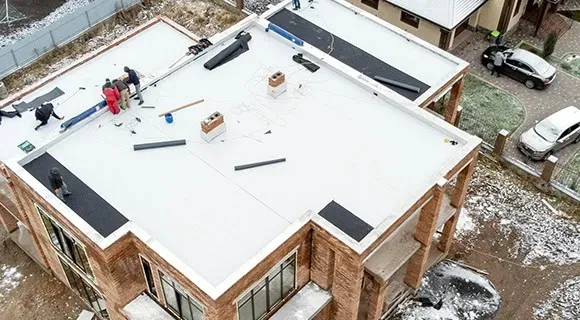
A significant low-slope roof advantage is its potential for energy savings through enhanced reflectivity. Low-slope roofs can be equipped with “cool” roofing materials that reflect more sunlight and absorb less heat than traditional asphalt roofing. In a city like Atlanta, where summer temperatures can soar, having a reflective roof can significantly reduce the heat entering your home.
“Cool” roofing materials like TPO (Thermoplastic Olefin) membranes or specially coated reflective shingles can keep your home cooler. This means your air conditioning system doesn’t have to work as hard, leading to lower energy bills. According to the U.S. Department of Energy, cool roofs can reduce energy costs by up to 50% in the summer.
Read more suggestions about home design efficiency at energy.gov/energysaver/efficient-home-design
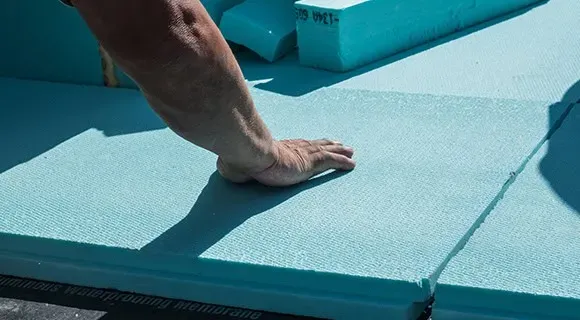
Low-slope roofs also permit better insulation options. Because the roof space is more accessible and typically has less pitch, making high-quality insulation installation and maintenance easy. Insulation helps maintain a consistent indoor temperature, reducing the need for heating and cooling throughout the year.
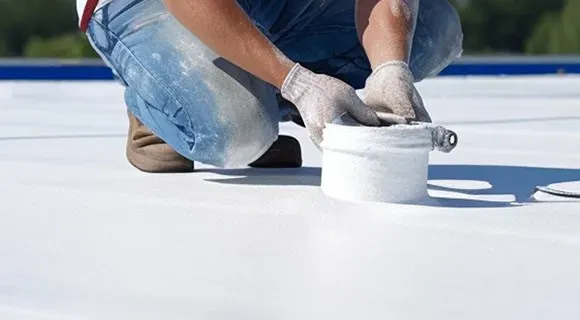
Low-slope roofing systems are significantly safer to inspect and repair than sloped roofs. Technicians can normally walk and work on low-slope roofs without using cumbersome ropes and bulky harnesses (simple tie-offs help prevent falls). Consider the following maintenance benefits:
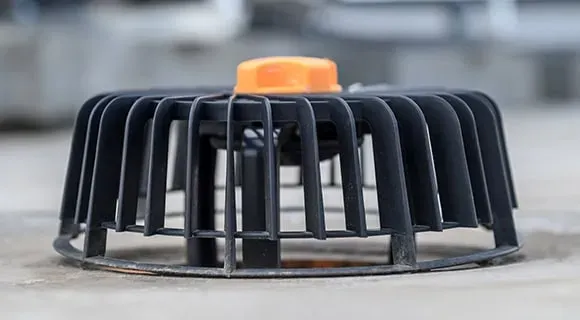 Despite common misconceptions, low-slope roofs are designed with efficient drainage systems that prevent water pooling and leaks. Modern low-slope roofing systems incorporate slight pitches and advanced drainage solutions, like internal drains, scuppers, and gutters, to ensure water is effectively channeled off the roof.
Low-slope roof construction/installation (TPO, EPDM, PVC, etc.) typically involves fewer materials and less labor than steep-slope roofs, leading to lower installation costs. Consider the following:
Low-slope roofing’s simple design means less structural support is needed, which can further reduce costs. Atlanta homeowners looking to balance budget and quality will find low-slope roofing an economically viable option.
The energy efficiency and reduced maintenance needs combination translates to significant long-term savings. Lower energy bills, fewer repairs, and the extended lifespan of durable roofing materials contribute to the cost-effectiveness of a low-slope roof.
Investing in a cool roof with high reflectivity might have a slightly higher upfront cost. However, the energy savings during Atlanta’s hot summers can quickly offset this elevated expense. Over time, reduced energy consumption and maintenance expenses make a low-slope roof an intelligent financial decision.
The roof you install on your home will influence temperatures in your home, as well as the surrounding area. However slight, it does make a difference. Consider the following ways your roof influences the environment:
In urban areas like Atlanta, building concentration and paved surfaces can create a heat island effect, where temperatures are significantly higher than in surrounding rural areas. Low-slope roofs with “cool” roofing materials can help mitigate this effect by reflecting more sunlight and reducing heat absorption.
By choosing a low-slope roof, homeowners contribute to lowering the overall temperature in their neighborhood, improving comfort for everyone, and potentially reducing the demand for air conditioning, which benefits the environment.
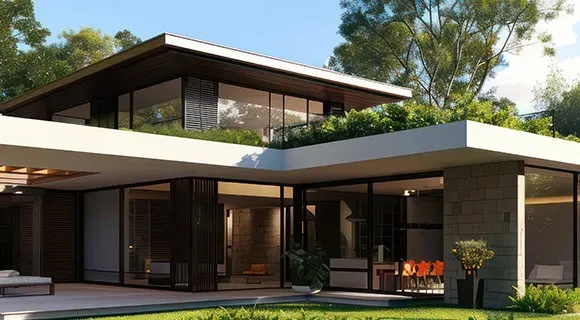
Low-slope roofs are also ideal for green roof installations, where vegetation is planted on the rooftop. Green roofs provide natural insulation, reduce stormwater runoff, and improve air quality. In Atlanta, incorporating a green roof can enhance your home’s energy efficiency while providing a space for urban gardening or leisure.
Watch this video to see how green roof installations benefit the environment, people, and wildlife.
In this article, you discovered how residential low-slope roofing systems can be significantly more beneficial than traditional sloped shingle roofs in Atlanta, Georgia.
Installing a low-slope roofing system on your home can reduce heating and cooling costs, benefit the environment, and help reduce temperatures in your neighborhood.
Ignoring the opportunity to install a low-slope roofing system can result in higher installation and long-term air conditioning expenses while negatively influencing your local environment.