
Commercial Roofing
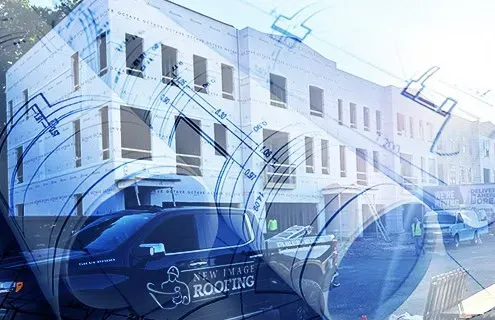
Investing millions into a new commercial property only to discover roof leaks, structural weaknesses, or code violations is a nightmare. For many developers and property owners, this scenario becomes reality when roofing contractors lack the expertise required for new construction projects. Commercial roofing requires specialists who can interpret blueprints, apply building codes, and ensure the system supports an adequate load-bearing capacity.

New Image Roofing Atlanta gathered information about how new construction commercial roofing projects succeed when specialists are involved from the beginning. With knowledge of building regulations, structural engineering requirements, and diverse roofing systems, these professionals guarantee durability, compliance, and performance that align with long-term business needs.
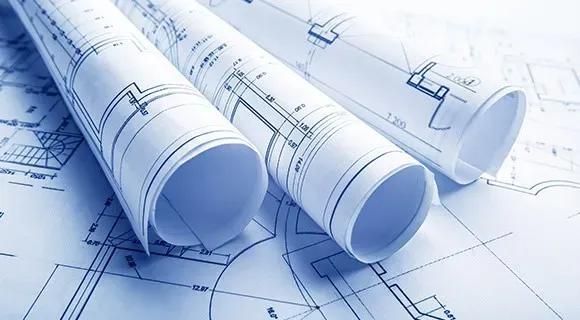
Commercial roofing differs dramatically from residential roofing. A new construction project demands precision, collaboration, and technical expertise. Specialists play critical roles in:
1. Reading Blueprints Accurately
A roof design must integrate seamlessly with architectural plans. Misreading blueprints can lead to improper installation, structural inefficiencies, and future maintenance issues. rainfall.
2. Applying Building Codes
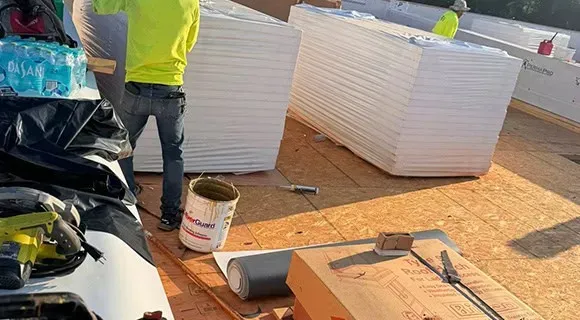
Local and national building codes dictate fire resistance, wind uplift ratings, drainage slopes, and insulation values. Specialists ensure compliance, avoiding costly penalties or rework.
3. Load Bearing Capacity
A roof design must integrate seamlessly with Commercial structures often support heavy HVAC systems, solar arrays, or rooftop equipment. Engineers and roofing experts must coordinate to guarantee load distribution across roof trusses and joists.
4. Coordination with Other Trades
Plumbing stacks, electrical conduits, and ventilation units penetrate commercial roofs. Specialists work alongside contractors to seal penetrations properly, preventing leaks.
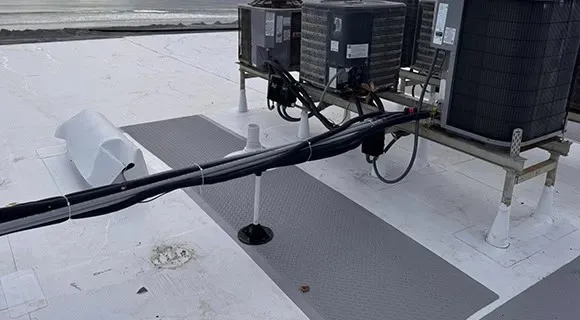
The role of a commercial roofing specialist extends beyond installation – it’s about building a reliable protective system that aligns with architectural vision and safety standards.
Different structures require unique roofing solutions – based on climate, budget, and function. Specialists help select and install the following roof types:
The right choice depends on project specifications, and specialists ensure materials and installation methods align with long-term performance goals.
Even the best-installed commercial roofs require ongoing care. That’s why New Image Roofing Atlanta offers a comprehensive maintenance contract designed for property managers and building owners.
This proactive approach ensures that commercial roofing systems continue to perform long after installation is complete.
When selecting a roofing partner for new construction, experience and reliability are crucial factors. New Image Roofing Atlanta brings unique advantages:
With New Image Roofing Atlanta, developers and property owners gain confidence that roofing systems will be built to last.
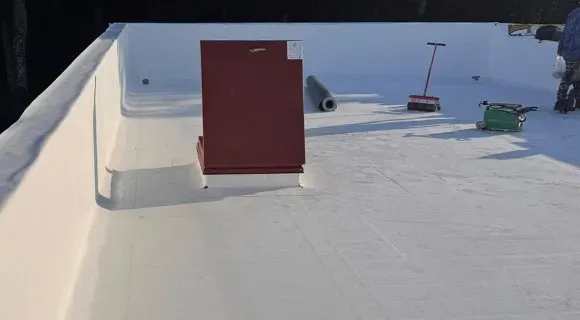
Every commercial project is unique, but some key considerations apply universally. Property owners and project managers should keep the following in mind:
1. Blueprint Integration
Roofing specialists must analyze blueprints to ensure slope, drainage, and equipment placement are feasible. Collaboration during planning prevents misalignment during construction.
2. Building Code Compliance
Fire resistance, insulation R-values, and wind uplift ratings vary by jurisdiction. Codes evolve regularly, so up-to-date knowledge is crucial.
3. Budget vs. Longevity
Lower-cost roofing materials may reduce upfront expenses, but increase long-term repair costs. Specialists help balance immediate budgets with life-cycle value.
4. Energy Efficiency

Roof design influences heating and cooling costs. Reflective membranes, proper insulation, or vegetative systems improve building performance.
5. Future Maintenance Needs
A well-designed roof should simplify inspections and repairs. Accessible drainage systems and durable materials minimize future disruptions.
6. Load Bearing and Safety
Heavy equipment or foot traffic requires reinforcement. Skipping structural analysis can jeopardize safety and lead to premature failure.
7. Contractor Reputation
Not all roofing companies are equal. Checking references, reviewing past projects, and confirming certifications reduces risk. Keeping these considerations in focus ensures roofing systems meet performance standards and avoid costly setbacks.
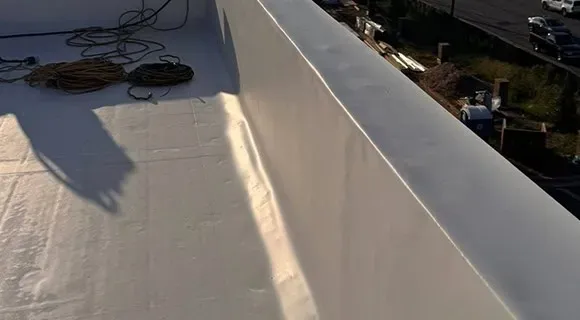
In this article, you discovered why expertise matters, the most common types of commercial roof systems, and how New Image Roofing Atlanta offers maintenance contracts and professional installation.
When you hire trained specialists and prioritize preventive maintenance, you secure roofing systems that last decades, safeguard tenants, and reduce long-term costs.
On the other hand, neglecting these measures invites hidden leaks, structural failures, and financial setbacks that can undermine the success of your entire property.