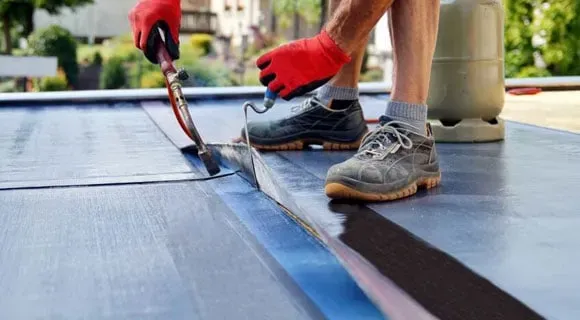
Low-Slope Roofing Systems in Hot Summers – When to Call Your Roofer
Commercial Roofing
Prevent sweltering summer heat from damaging your low-slope (flat) roofing system. Understanding how summer heat adversely affects low-slope roofing will help you take steps to prevent cracking, peeling, leaks, and structural water damage.

New Image Roofing Atlanta gathered information about how extreme summer temperatures can damage your low-slope roofing system and what you can do to protect and preserve it.
Low-Slope Roofing System Vulnerabilities in Hot Summers
Low-slope roofing systems (TPO, EPDM, PVC, BUR, Duro Last) are inherently more vulnerable to issues during hot summers. The intense heat, prolonged exposure to UV radiation, and thermal expansion and contraction can contribute to multiple challenges, including the following:
1. Thermal Expansion and Contraction – High temperatures can cause roofing materials to expand, and during the cooler evenings, they contract. This constant thermal cycling can lead to stress on the roofing materials, potentially resulting in cracking, warping, and other structural issues.
2. UV Radiation Damage – Prolonged exposure to the sun’s UV radiation can accelerate the aging of roofing materials. UV rays can cause shingles, membranes, and other components to deteriorate, lose flexibility, and become more susceptible to damage.
3. Heat Absorption – Low-slope roofs, especially those with dark-colored surfaces, can absorb and retain heat. Excessive heat absorption can lead to elevated indoor temperatures, increased energy costs, and potential damage to roofing materials over time.
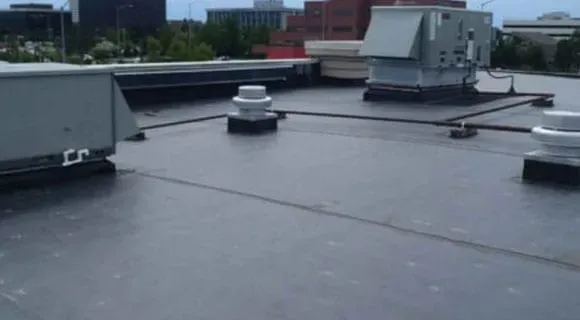
4. Membrane Degradation – Membrane roofing systems, commonly used in low-slope roofs, may experience degradation due to high temperatures. This can result in reduced waterproofing effectiveness and an increased risk of leaks.
5. Flashing and Sealant Issues – Extreme heat can cause flashing and sealants to soften and lose their effectiveness. This compromises the waterproofing capabilities of the roof, leading to potential leaks and water infiltration.
Tip: A roof maintenance program with annual inspections allows for early issue detection and repair.
Low-Slope Roofing System Protection in Hot Summers
Protecting low-slope roofing systems in hot summers requires a proactive approach. By understanding your roof’s vulnerabilities and implementing preventive measures, you can safeguard your property from potential severe damage. Consider the following measures:
1. Reflective Roofing Materials – Choose reflective roofing materials with a high solar reflectance index (SRI). Light-colored or reflective surfaces can help minimize heat absorption, reducing the impact of high temperatures on the roof.
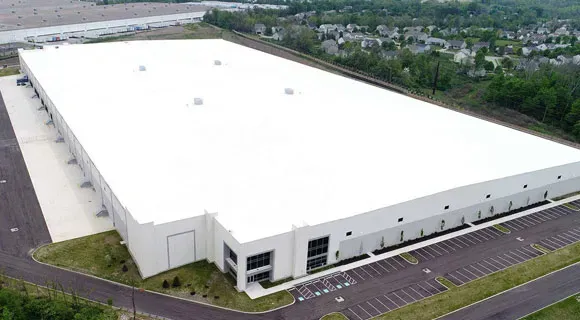
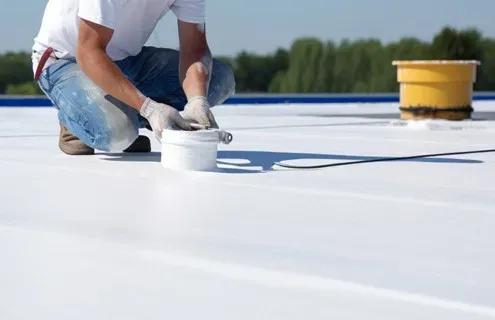
2. Cool Roof Coatings – Apply cool roof coatings to existing low-slope roofing systems. These coatings have reflective properties that can deflect sunlight and reduce heat absorption. Cool roof coatings also provide additional protection against UV radiation.
3. Proper Insulation – Adequate insulation beneath the roof can help regulate indoor temperatures and reduce heat transfer to the building’s interior. Proper insulation contributes to energy efficiency and minimizes the strain on cooling systems.
4. Enhanced Ventilation – Improve roof ventilation to facilitate air circulation and reduce heat buildup. Adequate ventilation helps dissipate trapped heat and minimizes the risk of thermal stress on roofing materials.
5. Regular Roof Inspections – Schedule regular inspections to identify and address potential issues before they escalate. Look for signs of wear, damage, or deterioration in roofing materials, flashings, and sealants.
6. Shade Structures – Consider installing shade structures, like awnings or pergolas, to shield your low-slope roof from direct sunlight. These structures relieve extreme heat and offer additional protection against UV radiation.
7. Roof Coatings for Membranes – For membrane roofing systems, apply coatings designed to protect against UV radiation and enhance durability. These coatings create a barrier that shields the membrane from the harmful effects of the sun.
8. Solar Reflective Shingles – If your low-slope roof is shingled, opt for solar reflective shingles with reflective granules. These shingles are designed to reflect more sunlight and absorb less heat, helping to maintain a cool roof.
Tip: Severe summer storms can cause extreme temperature fluctuations. When such a storm passes, schedule a
roof inspection to identify and repair any damages.
Heat Stress on Low-Slope Roofs
In this article, you discovered how low-slope roofs are vulnerable and can be damaged by brutal summer heat, measures to protect them, and when to call your roofer.
Understanding how low-slope roof membranes react to summer heat and extreme temperature variations allows you to install preventive measures to ensure your roof’s integrity.
Neglecting your low-slope roof through the summer months can lead to leaks and severe structural damage from cracks and fissures in your roof membrane.