Hurricane Preparedness – A Comprehensive Guide
Severe Weather
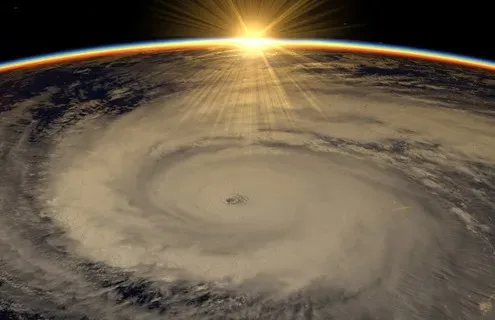
Avoid being unprepared for the devastation and mayhem hurricanes cause when they roar through your community. Knowing how to prepare and what to expect during and after a hurricane will help get you quickly on your feet.

New Image Roofing Atlanta assembled this comprehensive guide for hurricane preparedness, damage mitigation, emergency assistance, and recovery.
Hurricane Preparedness
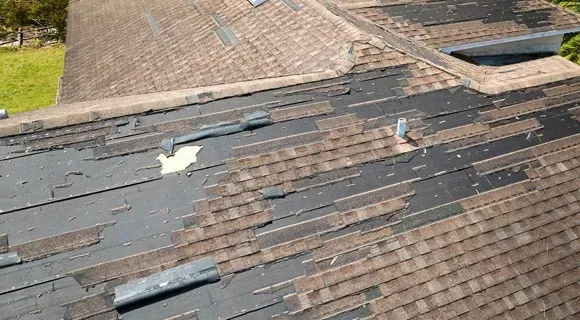
The Atlantic hurricane season runs from June 1 to November 30. The Atlantic basin includes the Atlantic Ocean, the Caribbean Sea, and the Gulf of Mexico. Severe hurricanes may reach as far inland as Tennessee, northern Georgia, and the Carolinas with damaging winds and potential flooding. Being well-prepared for a hurricane is essential for safeguarding your home and family. Consider the following:
- ✔
Create a Hurricane Preparedness Plan – Develop a comprehensive hurricane preparedness plan that includes evacuation routes, designated shelter locations, and communication strategies for your family. Practice evacuation drills to ensure everyone is familiar with the plan.
Tip: Carry physical/paper maps and printed emergency contact information (mobile device/internet reception may be interrupted for days or weeks).
- ✔
Build an Emergency Kit (Go Bag) – Assemble an emergency kit containing essential supplies like water, non-perishable food, medications, first aid items, flashlights, batteries, and important documents. Keep the kit in a readily accessible location.
Identification and Important Documents include:
- *
Personal identification (ID, passport, driver’s license)
- *
Emergency contact information
- *
Insurance information
- *
Medical records and prescriptions
- *
Notarized copies of important documents (insurance, birth certificates, marriage certificates, deeds)
Communication Essentials include:
- *
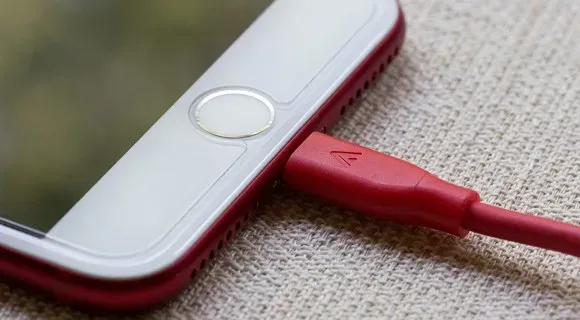
Fully charged cell phone and charger (with adaptor)
- *
Multiple charged device batteries
- *
Portable power bank
- *
Battery-operated or hand-crank radio
Clothing and Personal Items include:
- *
Multiple changes of clothes (including undergarments and socks)
- *
Sturdy shoes or boots
- *
Hat and gloves
- *
Rain poncho or waterproof jacket
- *
Personal hygiene necessities (toothbrush, toothpaste, soap, feminine hygiene products)
- *
Bath and hand towels
Tip: Have enough supplies to sustain your household, including non-perishable food, medication, disinfectants, and pet supplies (in your go bag or car trunk). You may not have access to replenish these supplies for days or weeks following a hurricane.
- ✔
Secure Your Home – Reinforce your home’s structural integrity by installing hurricane shutters or impact-resistant windows. Trim trees and branches that could pose a threat during high winds. Ensure that doors and windows are securely sealed.

- ✔
Stay Informed – Monitor weather forecasts and heed evacuation warnings. Stay informed through official channels, weather apps, and emergency broadcasts. Awareness of the storm’s trajectory and intensity is crucial for timely decisions. Consider the following to stay informed:
- *
- *
- *
Local and cable weather/news channels
- *
Emergency Alert System (EAS) – no sign-up necessary
- *
Wireless Emergency Alert (WEA) – no sign-up necessary
- ✔
Know your Evacuation Zone – You may have to evacuate quickly due to a hurricane (if you live in an evacuation zone). Know your evacuation routes, practice with your household and pets, and identify where you will stay.
Tip: Follow local emergency manager instructions (they work closely with state, local, tribal, and territorial agencies and partners). They will provide the latest recommendations based on the threat to your community and appropriate safety measures.
Post-Hurricane Emergency Services
Check with your local emergency management department, volunteer agencies, or call your local 2-1-1. The FEMA Helpline 800-621-3362 and the American Red Cross 800-733-2767 may be able to provide additional assistance and referrals. Consider seeking the following emergency services:
- ✔
Evacuation Centers – After a hurricane, local authorities may establish evacuation centers to provide shelter, food, and basic amenities. Follow official instructions and seek refuge in designated evacuation centers if necessary.
Note: If you evacuated, return home only when officials say it is safe.
- ✔
Medical Assistance – Emergency medical services (EMS) will be available to provide medical assistance after a hurricane. Seek professional medical attention for injuries and health-related issues.
- ✔
Utility Restoration – Report utility outages, gas leaks, and electrical issues to utility companies. Avoid using damaged utilities until they have been inspected and deemed safe by professionals.
- ✔
Community Support – Local community organizations and support services may offer assistance, including food distribution, temporary housing, and essential supplies. Stay informed about available resources in your area.
Hurricane Preparedness and Safety
In this article, you discovered essential information about hurricane preparedness, potential damages to roofs and homes, post-hurricane emergency services, and how to repair your home and roof after the storm.
Your awareness and preparedness for hurricane season will minimize potential damages and help you return to normal in the storm’s aftermath.
Lack of proactive measures and delayed action will leave you uninformed and severely challenged to get your home and roof repaired after a hurricane sweeps through your community.