

Residential Roofing
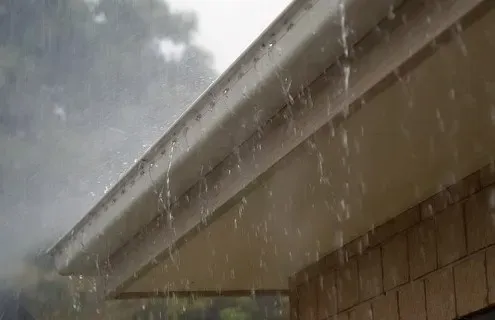
Avoid costly water damage from your roofing system’s inability to shed rainwater. Understanding how a roof sheds rainwater will help you determine what to install or repair to prevent leaks and costly water damages.

New Image Roofing Atlanta gathered information on how low-slope (flat) and steep-sloped roofing systems are engineered to shed rainwater.
Low-slope roofing systems, common in commercial and industrial buildings, present unique challenges when addressing water drainage. Unlike steep-slope roofs that allow water to naturally flow down and off the roof, low-slope roofs require a more intentional approach to prevent ponding while ensuring drainage.
Note: Low-slope roofing can be EPDM, TPO, PVC, or BUR systems.
Successful water drainage on low-slope roofing systems relies in gravitational flow. While these roofs have a slight incline, it is not as steep as in residential roofing systems.
Low-slope roofs are designed to combat water accumulation challenges, with a subtle slope to guide water toward drainage points.
A roof’s slope is carefully calculated during the design phase, ensuring water flows efficiently toward designated areas where drains, scuppers, and gutters are placed strategically. This intentional slope is critical in preventing pooling water (ponding), as ponding leads to structural damage, leaks, and accelerated wear on the roofing material.
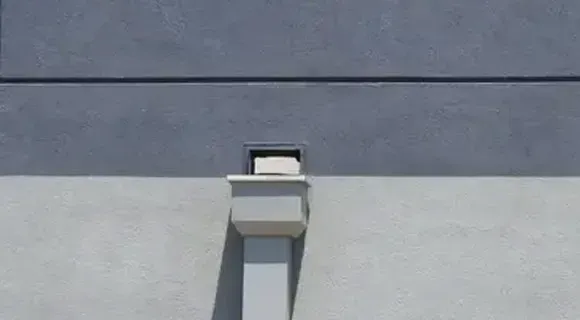
Roof drains, scuppers, and gutters are the most common and cost-effective drainage solution for flat roofs. These components catch and direct rainwater as it rolls off the roof’s edge and divert the water into downspouts that dispense it at a safe distance from the foundation of the building. Consider the following:
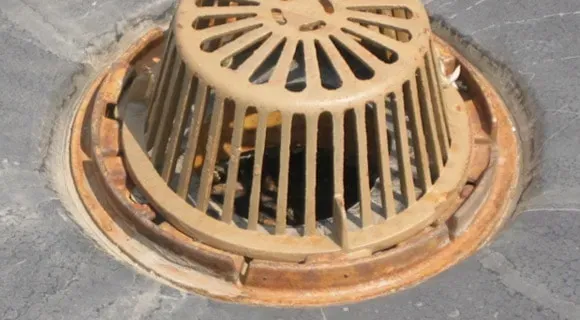
Note: Drains running through a building or structure (internal drains) are serviced by a plumber when they experience blockages.
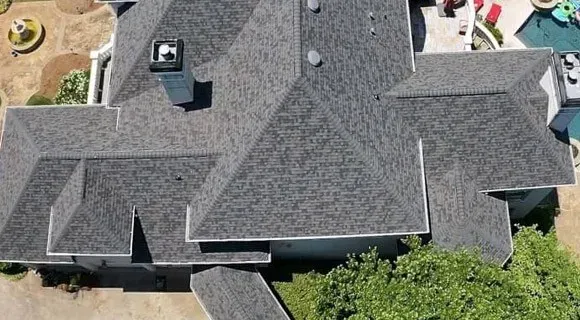
Residential shingle roofing systems with steeper slopes leverage gravity and the roofing materials’ natural properties to channel water efficiently. From asphalt to metal shingles, these systems shed water swiftly, preventing leaks and protecting the underlying structure.
The steep slope of residential shingle roofing systems is fundamental in their ability to shed water effectively. Gravity plays a significant role, pulling water downward and away from the roof’s surface. The slope’s angle, often significantly steeper than low-slope roofs, facilitates quick and efficient drainage.
The roof pitch is carefully calculated during the design phase to ensure optimal water shedding. While the primary purpose of this slope is to encourage water runoff, it naturally contributes to the structure’s aesthetic appeal, influencing its architectural style.
Visit this YouTube channel for informative roofing videos.
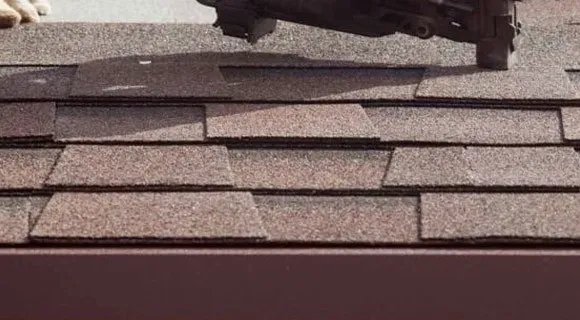
The materials used in residential shingle roofing systems are selected for their durability and ability to shed water. These shingles overlap, creating a seamless barrier that prevents water from infiltrating the roof.
Surface tension, the cohesive property of water molecules, aids in shedding water. As rainwater flows down the roof, it adheres to the shingle surface. The overlapping design encourages the water to travel downward, preventing it from seeping between the shingles and compromising the roof’s integrity.
Note: Exposed nails may sometimes provide additional reinforcement. When said nails are not sealed properly, they may begin to back out, allowing water infiltration and costly damages.
Tip: Read more about residential sloped roofing systems at newimageroofingatlanta.com/residential-roofing-what-you-need-to-know/
Collecting rain water and carrying it away from your home’s walls and foundation is the roof’s drainage system (eaves, flashing, drip edges, gutters, and downspouts). This system prevents soil erosion and foundation damage. Consider the following sloped roof drainage components:
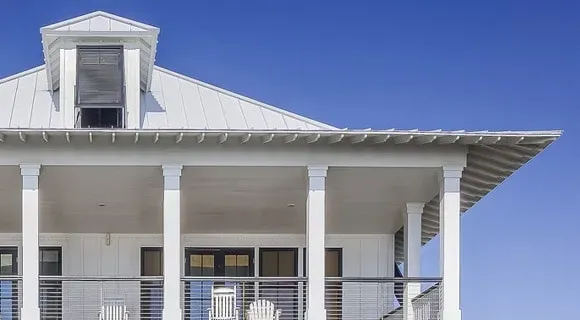
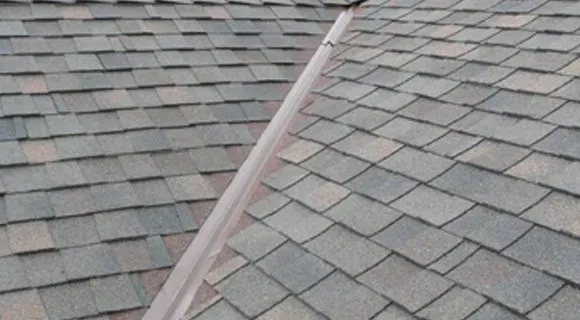
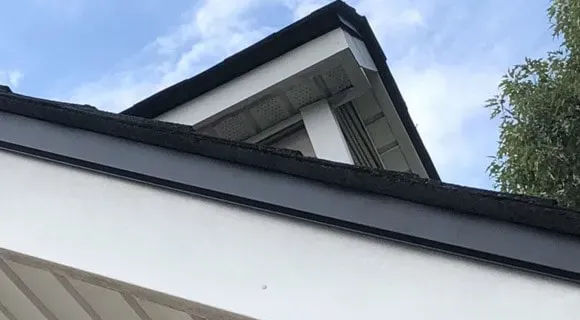
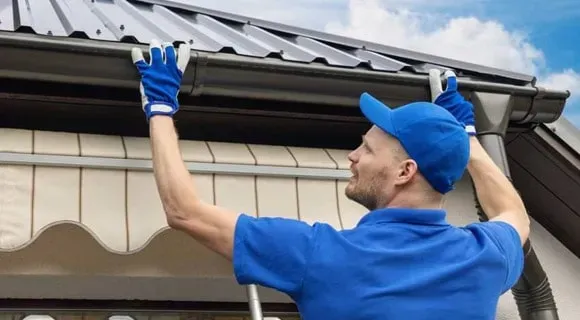
Note: Gutters and downspouts must be properly sized to accommodate water runoff volume. If a structure’s gutters are too small, they overflow when heavy rain falls.
Tip: A maintenance plan can help detect and correct drainage issues in their infancy before developing into costly damages.
In this article, you discovered how roofing systems drain rainwater and the components that efficiently divert the runoff from the structure, preventing water damage.
Knowing how a roofing system sheds rainwater will enable you to make informed decisions when installing, maintaining, or repairing your residential or commercial roofing system.
Ignoring your roof’s drainage system can lead to leaks, costly water damages, and challenging structural repairs.