

Commercial Roofing
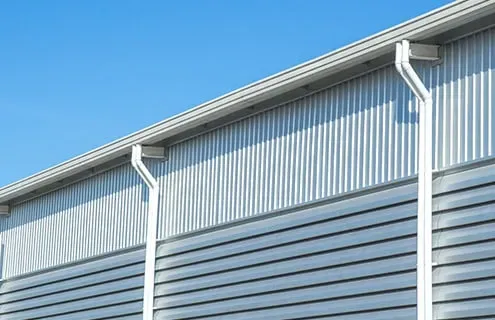
Keep ugly water stains due to clogged gutters from making your commercial structure appear neglected. Knowing how commercial gutters and downspouts work to shed water from your roof and the problems they may have will help you keep them functioning like new.

New Image Roofing Atlanta gathered information about commercial gutter and downspout systems, why they clog, available colors and materials, signs they need to be replaced, residential roof maintenance programs, when they should be replaced, and why you should hire New Image Roofing Atlanta for your roofing needs.
Commercial low-slope roofing systems are prone to water pooling due to their design. Poor drainage may lead to standing water, membrane damage, leaks, and structural issues. Gutters and downspouts mitigate these risks by redirecting rainwater and melted snow away from the roof and foundation.
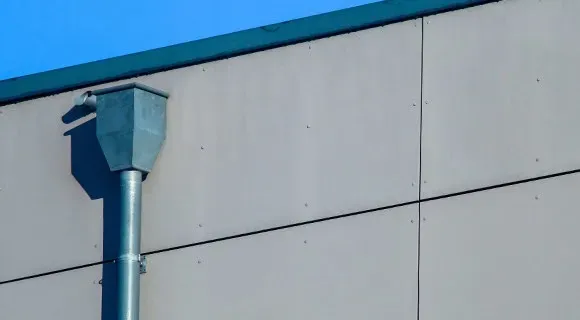
Commercial gutter systems on low-slope roofing with parapet walls use scuppers and conductor heads to channel water away from the roof and building. Scuppers are openings cut into the parapet walls, allowing water to drain off the roof’s surface. They are essential for preventing water buildup, especially in systems without traditional gutter edge drainage. Scuppers direct water into the next stage of the system: conductor heads.
Conductor heads, also called leader boxes, are installed below the scuppers. These box-like fixtures catch water flowing through the scuppers and funnel it into downspouts or drainpipes. Conductor heads help regulate water flow, reducing the risk of overflow during heavy rainfall. Additionally, they prevent suction or vacuum effects that could disrupt proper drainage.
This combination of scuppers and conductor heads ensures that water is efficiently directed off the roof, protecting the building’s structure from damage caused by standing water, leaks, or overflow. Properly maintained systems with these components minimize erosion and flooding near the foundation, improving overall water management. Regular inspections and cleaning of scuppers and conductor heads are essential, ensuring debris or ice doesn’t obstruct water flow.
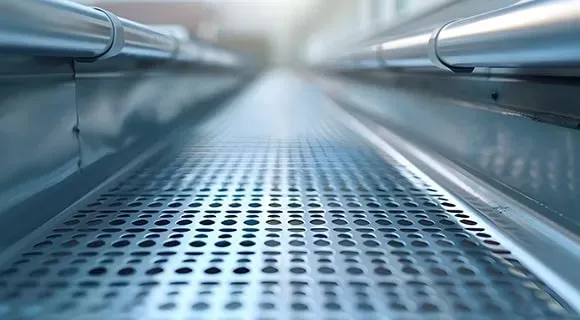

Clogged gutters can lead to water backup, overflow, and structural damage. The primary clog causes in commercial gutter systems include:
Commercial gutters are constructed from durable materials that withstand multiple weather conditions and heavy water loads. Common materials include:
Gutter Styles
Color Options

Commercial gutters come in multiple colors to match the building’s exterior. Powder-coated finishes are typical, providing durability and resistance to fading.
A proactive maintenance program is essential for keeping commercial gutters in optimal condition. Regular servicing not only prevents clogs and water damage but also extends the lifespan of the gutter system.
What a Maintenance Program Includes
While regular maintenance can prolong the life of a gutter system, there comes a time when replacement becomes necessary. Signs that indicate replacement is needed include:
Choosing a Professional for Installation and Maintenance
Hiring a professional gutter installation and maintenance company ensures that the system is designed and maintained to handle the specific needs of the building. Professionals can recommend gutter sizes, materials, and styles best suited for the building’s requirements.

In this article, you discovered information about commercial gutters and downspouts, why they get clogged, available colors and materials, signs they should be replaced, commercial roof maintenance programs, and why you should hire New Image Roofing Atlanta.
Functioning commercial gutters and downspouts are vital water management components. Business managers and owners can ensure their gutters remain functional and durable for years by knowing their functionality, choosing the appropriate materials and styles, and adhering to a regular maintenance program. Partnering with a professional for installation and maintenance protects your commercial structure.
Ignoring your gutters and downspouts may lead to clogging and severe water damage to your building, resulting in extensive and costly structural and cosmetic repairs.